Precision machinery certification opens doors to specialized career opportunities in industries where exactness and technical expertise are paramount.
With technology evolving rapidly, having this credential not only validates your skills but also keeps you competitive in the job market. Whether you’re an aspiring technician or an experienced engineer, mastering these qualifications can elevate your professional standing.
The demand for precision in manufacturing and engineering sectors continues to grow, making certification more valuable than ever. If you’re curious about what this certification entails and how it can benefit your career path, I’ve got you covered.
Let’s dive into the details and explore everything you need to know!
Understanding the Core Skills Behind Precision Engineering Roles
Technical Competencies That Matter Most
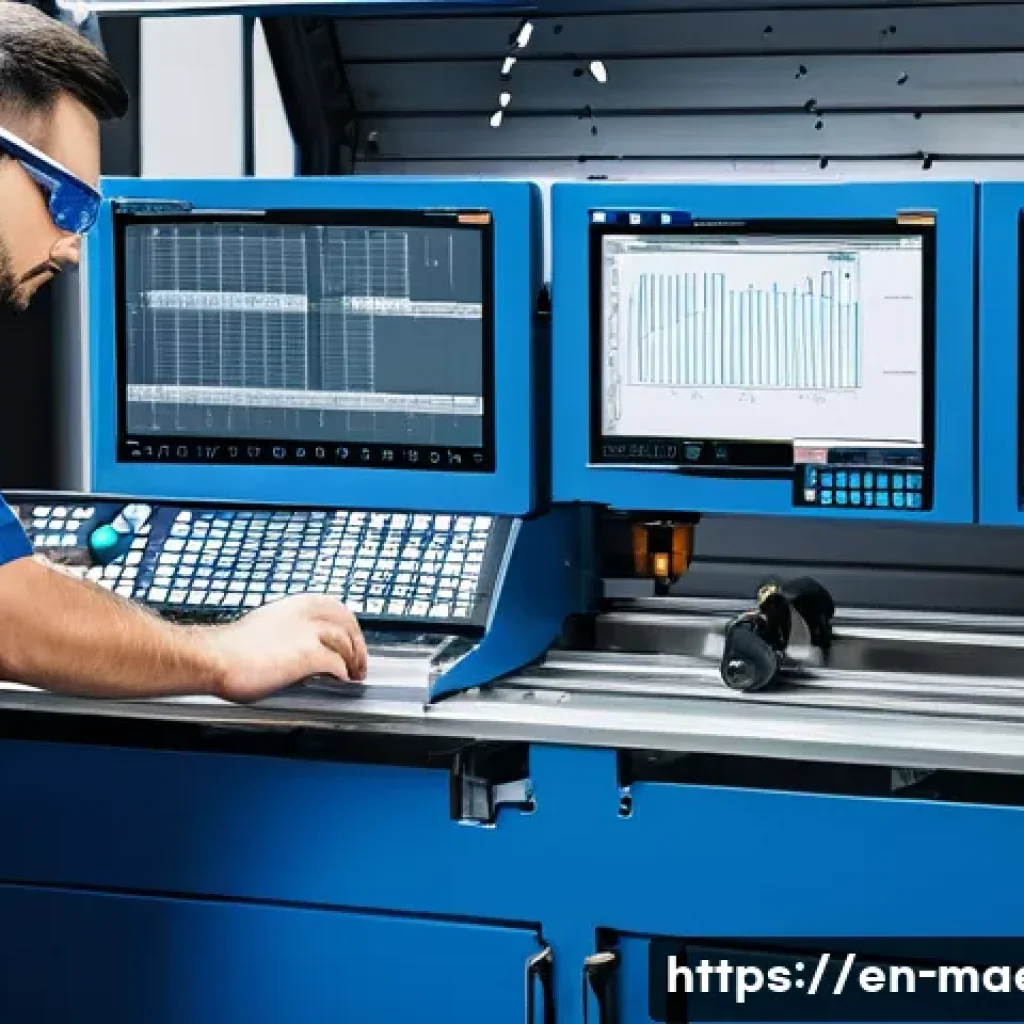
When stepping into a career centered on precision engineering, it’s essential to have a solid grasp of fundamental technical skills. This includes proficiency in operating CNC machines, understanding geometric dimensioning and tolerancing (GD&T), and being adept at using various measuring instruments such as micrometers, calipers, and coordinate measuring machines (CMMs).
From my own experience, mastering these tools isn’t just about knowing how they work—it’s about developing an intuitive feel for precision and recognizing even the smallest deviations that could impact product quality.
Employers highly value this attention to detail because in fields like aerospace, automotive, and medical device manufacturing, even minor errors can lead to costly consequences.
Why Problem-Solving Is a Game Changer
Precision work often involves troubleshooting complex machinery or assembly lines, which can throw curveballs at even the most skilled technicians. I’ve found that having strong analytical skills and a methodical approach to problem-solving can save hours of downtime and prevent defects.
This means not only identifying the root cause of an issue but also understanding how small adjustments affect the bigger picture. Whether it’s recalibrating equipment or redesigning a process, the ability to think critically under pressure is indispensable in this line of work.
The Role of Continuous Learning and Adaptability
Technology in precision manufacturing evolves rapidly, and what worked last year might be obsolete today. During my career, I noticed that those who actively seek out new certifications or stay updated with industry trends consistently land better projects and promotions.
Adaptability goes beyond just learning new software or machinery; it’s about embracing change and viewing challenges as opportunities to improve. This mindset not only keeps your skillset sharp but also makes you a valuable asset in any team.
Certifications That Boost Career Trajectory in Precision Fields
Popular Certification Paths and Their Focus Areas
There are several certifications tailored for precision engineering professionals, each with its own emphasis. For example, the Certified Manufacturing Engineer (CMfgE) credential focuses on manufacturing processes and quality control, while the ASQ Certified Quality Technician (CQT) hones in on inspection and testing techniques.
From my perspective, choosing the right certification depends on your career goals—whether you want to specialize in quality assurance, machine operation, or process optimization.
The key is to pick a program that challenges you and aligns with your day-to-day responsibilities.
Exam Preparation Tips That Worked for Me
Preparing for these certifications can feel overwhelming, especially balancing work and study. What helped me was breaking down the curriculum into manageable chunks and applying concepts directly to my current projects.
For instance, if a module covered statistical process control, I’d analyze the data from my workplace to reinforce learning. Additionally, joining study groups or online forums introduced me to real-world scenarios and practical tips, making the material less abstract and more relevant.
How Certification Impacts Salary and Job Opportunities
One of the most tangible benefits I noticed after earning my certification was a significant salary bump and more job offers with higher responsibilities.
Employers often see certified professionals as more reliable and invested in their craft, which translates into better negotiation power and career mobility.
In some industries, certification is even a prerequisite for certain roles, so it can open doors that might otherwise remain closed.
Industry-Specific Applications of Precision Expertise
Aerospace and Defense: Demanding the Highest Accuracy
In aerospace, the tolerance levels for components are incredibly tight—often measured in microns. Working in this sector requires not only precision but also adherence to stringent safety and regulatory standards.
Having firsthand experience in this environment taught me that every measurement and adjustment must be meticulously documented. Mistakes aren’t just costly; they can be life-threatening.
The certification process reflects this seriousness by emphasizing compliance and traceability.
Medical Device Manufacturing: Precision for Patient Safety
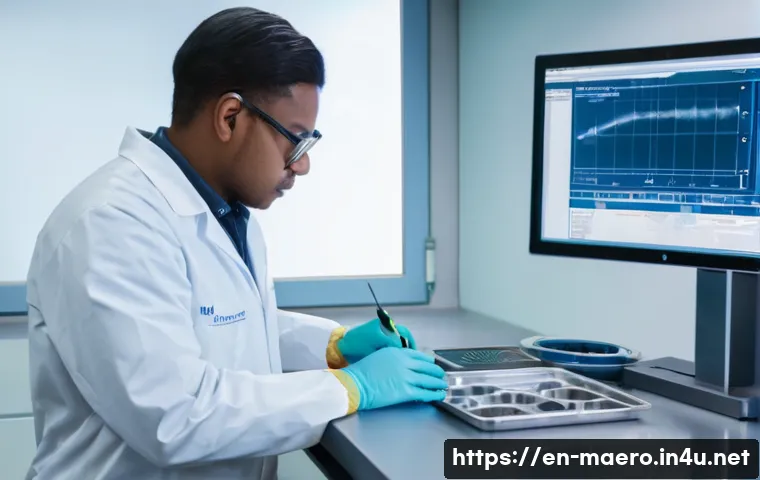
The stakes are equally high in medical device production, where tiny errors can affect patient outcomes. I once collaborated on a project where we had to manufacture surgical instruments with exact specifications to ensure sterility and functionality.
The training I had through certification programs gave me confidence in validating these critical parameters, which directly contributed to the product’s success and regulatory approval.
Automotive Industry: Balancing Speed with Precision
The automotive sector demands a blend of efficiency and exactness, especially with the rise of electric vehicles and advanced driver-assistance systems (ADAS).
In my experience, precision certifications help professionals optimize production lines to reduce defects without sacrificing throughput. Understanding the nuances of material properties, assembly sequences, and testing protocols is crucial to meet both quality standards and tight delivery schedules.
Tools and Technologies Revolutionizing Precision Work
Advancements in Measurement Instruments
Modern precision work increasingly relies on sophisticated tools like 3D scanners, laser trackers, and automated inspection systems. I recall transitioning from manual gauges to digital CMMs and being amazed at the leap in accuracy and speed.
These technologies not only improve measurement reliability but also generate detailed reports that simplify quality audits and continuous improvement initiatives.
Software Integration for Process Optimization
Beyond hardware, software solutions for CAD/CAM and data analytics have become indispensable. Using these platforms, I was able to simulate machining processes and predict potential errors before production.
This proactive approach reduces waste and shortens development cycles, which is a huge advantage in competitive markets. Learning to navigate these software tools is a must for anyone serious about advancing in precision manufacturing.
Automation and Robotics in Precision Tasks
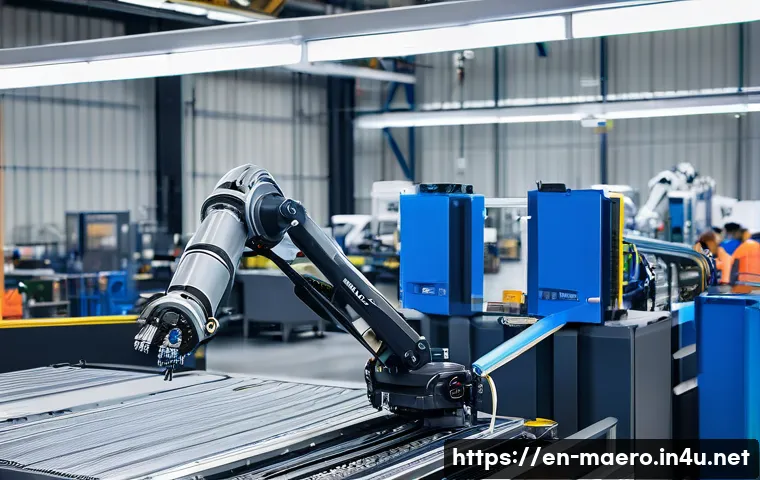
Automation is transforming how precision tasks are executed by reducing human error and increasing repeatability. I’ve worked with robotic arms programmed for delicate assembly and inspection, which consistently outperformed manual methods in terms of speed and accuracy.
Integrating robotics requires a solid understanding of both mechanical and software engineering, which is why multidisciplinary skills are highly valued.
Career Development Strategies in Precision Engineering
Networking Within Specialized Communities
Building connections with industry peers can greatly accelerate career growth. Attending conferences, joining professional societies, or participating in online groups exposes you to new ideas, job openings, and mentorship opportunities.
From my experience, some of the best advice and job leads came from casual conversations at industry events rather than formal channels.
Leveraging Certifications for Leadership Roles
Certification isn’t just about technical skills—it can also pave the way to leadership positions. Demonstrating mastery and commitment through credentials often earns you trust when managing teams or projects.
I’ve seen colleagues use their certifications as a stepping stone to roles like quality manager or production supervisor, where they can influence processes on a larger scale.
Continuing Education and Skill Diversification
The most successful professionals I know never stop learning. Whether it’s picking up complementary skills like project management or exploring emerging fields like additive manufacturing, diversifying your expertise keeps you relevant.
Investing in continuous education alongside certification renewals ensures you stay competitive in a fast-changing industry.
Comparing Certification Programs: Key Differences and Benefits
| Certification | Focus Area | Typical Duration | Prerequisites | Industry Recognition |
|---|---|---|---|---|
| Certified Manufacturing Engineer (CMfgE) | Manufacturing processes, quality control | 6-12 months | Engineering degree or equivalent experience | Widely recognized in aerospace and automotive |
| ASQ Certified Quality Technician (CQT) | Inspection, testing, quality assurance | 3-6 months | Work experience in quality-related roles | Highly valued across manufacturing sectors |
| Certified Precision Machinist (CPM) | Machining techniques, tool operation | 4-8 months | Vocational training or apprenticeship | Common in industrial and tool-making fields |
| ISO 9001 Lead Auditor | Quality management systems auditing | 5 days intensive course | Prior quality management knowledge | Essential for quality leadership roles |
글을 마치며
Precision engineering demands a unique blend of technical skill, problem-solving ability, and a commitment to continuous learning. Through certifications and hands-on experience, professionals can significantly enhance their career prospects and impact across various industries. Embracing new technologies and networking within specialized communities further amplifies growth opportunities. Ultimately, mastering these core competencies paves the way for both personal and professional success in this dynamic field.
알아두면 쓸모 있는 정보
1. Certification choices should align with your specific career goals to maximize benefits and relevance.
2. Hands-on application of study materials during exam preparation greatly improves understanding and retention.
3. Industries like aerospace and medical device manufacturing require strict adherence to quality standards and traceability.
4. Advanced measurement tools and automation technologies are transforming precision work, boosting accuracy and efficiency.
5. Networking and continuous education play a crucial role in staying competitive and opening doors to leadership roles.
중요 사항 정리
Success in precision engineering hinges on a solid foundation of technical expertise combined with analytical problem-solving skills. Staying current with evolving technologies and earning relevant certifications can dramatically enhance job prospects and earning potential. Additionally, actively engaging in professional communities and expanding your skillset through ongoing education ensures long-term career growth. Prioritizing precision and quality not only meets industry demands but also safeguards safety and reliability in critical applications.
Frequently Asked Questions (FAQ) 📖
Q: What exactly is precision machinery certification, and why is it important?
A: Precision machinery certification is a professional credential that verifies your skills and knowledge in handling, maintaining, and operating highly accurate mechanical equipment.
It’s important because industries like aerospace, automotive, and electronics rely heavily on exact measurements and flawless machinery performance. Holding this certification shows employers that you meet strict technical standards, making you a trusted expert who can reduce errors and improve product quality.
From my experience, having this certification opened doors to projects that require meticulous attention to detail, which wouldn’t have been possible otherwise.
Q: How can obtaining this certification impact my career growth and salary potential?
A: Earning a precision machinery certification can significantly boost your career prospects by making you stand out in a competitive job market. Employers often associate certification with reliability and advanced expertise, which can lead to promotions, higher responsibilities, and better pay.
Personally, after getting certified, I noticed an increase in job offers and was able to negotiate a higher salary thanks to the specialized skills I demonstrated.
Plus, as technology advances, certified professionals tend to stay ahead because they’re continuously updating their knowledge and adapting to new tools.
Q: What are the typical requirements and preparation tips for passing the precision machinery certification exam?
A: Most certification programs require candidates to have a foundational understanding of mechanical principles, experience working with precision tools, and sometimes completion of specific training courses.
The exam usually tests both theoretical knowledge and practical skills, such as interpreting technical drawings and calibrating equipment. From what I’ve seen, preparing with hands-on practice and reviewing real-world case studies can make a huge difference.
Also, joining study groups or forums helps because you can exchange tips and clarify doubts with peers who are going through the same process.