I remember looking up at the sky as a kid, utterly captivated by airplanes soaring overhead. Fast forward to today, and that fascination has only deepened, especially with how rapidly aerospace engineering is evolving!
It’s no longer just about traditional aircraft or rockets; we’re talking about sustainable aviation, cutting-edge space missions with private companies like SpaceX and Blue Origin, and even the future of urban air mobility with eVTOLs reshaping our cities.
It’s a field brimming with innovation, pushing the very boundaries of what we thought was possible, and it demands bright minds ready to tackle complex challenges.
If you’ve ever felt that undeniable pull towards designing the next generation of flight or exploring the cosmos, then understanding the educational pathways into this incredible, dynamic field is absolutely crucial.
Trust me, it’s a journey filled with exhilarating challenges and immense rewards for those who are passionate enough to pursue it. Let’s uncover exactly what an aerospace engineering education entails, and how you can prepare for lift-off into this thrilling career.
Navigating the Academic Skies: Your First Steps
The High School Runway: Preparing for Lift-Off
When I first dreamt of designing spacecraft, I genuinely thought it was just about being good at math and science. While those are definitely non-negotiable foundations, there’s so much more to it, even before you step onto a university campus!
For aspiring aerospace engineers, those high school years are absolutely critical. You’ll want to pile your schedule high with advanced math classes like calculus and physics, naturally.
But don’t underestimate chemistry; it plays a surprisingly huge role in materials science for aircraft and rocket components. Beyond the core STEM subjects, I always tell young folks to get involved in anything hands-on.
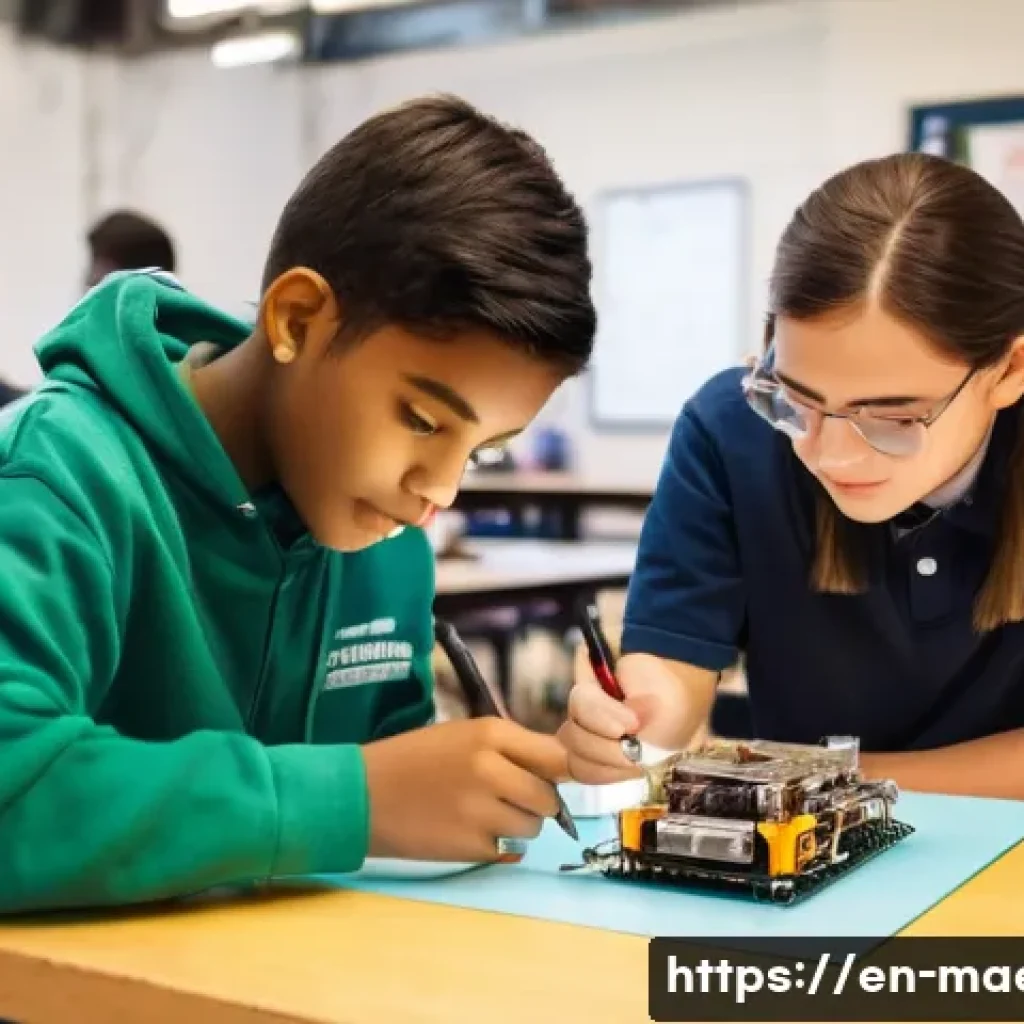
Robotics clubs, science fairs, even building model airplanes – these experiences aren’t just fun; they give you a tangible sense of how things work and ignite that problem-solving spark.
Admissions committees absolutely love seeing that initiative and genuine curiosity. Plus, honestly, trying out these things early helps you confirm if this is truly your passion.
Trust me, spending countless hours on a project just because you love it is a strong indicator you’re on the right path. It’s not just about getting good grades; it’s about proving your passion and developing those early engineering instincts.
Choosing Your Launchpad: University Programs
Once high school is behind you, the next big decision is where to pursue your aerospace dreams. This is where it gets exciting, but also a bit overwhelming!
You’ll find a plethora of incredible aerospace engineering programs out there, each with its unique strengths. Some universities might be renowned for their aeronautics research, focusing on aircraft design and aerodynamics, while others might lean heavily into astronautics, covering spacecraft propulsion and orbital mechanics.
I remember spending hours poring over university brochures and websites, trying to figure out which one felt like the perfect fit for *me*. It’s not just about the ranking, though that can be a good starting point.
Consider the faculty’s research interests – are they doing cutting-edge work that excites you? Look at the lab facilities; will you have access to wind tunnels, propulsion test stands, or advanced simulation software?
And don’t forget the culture! A vibrant student community with active engineering clubs and design teams can make all the difference in your learning journey and overall experience.
Visiting campuses, if possible, can give you that gut feeling you need to make the right choice. It’s an investment in your future, so take your time and choose wisely.
Unlocking the Core: What You’ll Actually Study
The Bread and Butter: Essential Engineering Disciplines
Alright, so you’ve landed in an aerospace engineering program – congratulations! Now the real work begins. While the name says “aerospace,” the foundational years are essentially a deep dive into core engineering principles that are universally applicable.
Think about it: an aircraft is a marvel of mechanics, materials, and fluid dynamics. So, you’ll be spending a lot of time wrestling with classical mechanics, where you learn about forces, motion, and how things stay together (or don’t!).
Thermodynamics will become your new best friend, explaining how engines generate thrust and how systems manage heat. Fluid mechanics, in particular, is a huge one – understanding how air flows over wings or how rocket exhaust behaves is fundamental.
And, of course, materials science and engineering are absolutely critical. I mean, we need materials that are strong enough to withstand extreme temperatures and pressures, yet light enough to fly!
Electrical engineering basics are also woven in, as modern aircraft and spacecraft are packed with sophisticated electronics and control systems. It’s a challenging curriculum, no doubt, but mastering these basics is like building a super sturdy foundation for your future high-flying structures.
It truly prepares you for the complexities ahead.
Diving Deeper: Aerospace Specifics
After you’ve built that solid engineering foundation, your coursework will start to specialize, and this is where it really gets exciting for an aerospace enthusiast!
This is when you finally get to dive into the nitty-gritty of what makes planes fly and rockets launch. Expect courses in aerodynamics, where you’ll learn about lift, drag, and how to design wing shapes for optimal performance.
Propulsion systems will explore everything from jet engines to rocket engines, delving into the physics of how they create thrust. Flight mechanics and controls will teach you how aircraft behave in the air and how pilots (or autonomous systems!) manage their flight paths.
Spacecraft design and orbital mechanics will introduce you to the unique challenges of operating in the vacuum of space, calculating trajectories, and designing systems that can withstand harsh environments.
Avionics, which is a blend of aviation and electronics, will cover the navigation, communication, and control systems that are the brains of any modern flying machine.
It’s a rigorous curriculum, demanding not just theoretical understanding but also a strong ability to apply complex mathematical models and computational tools.
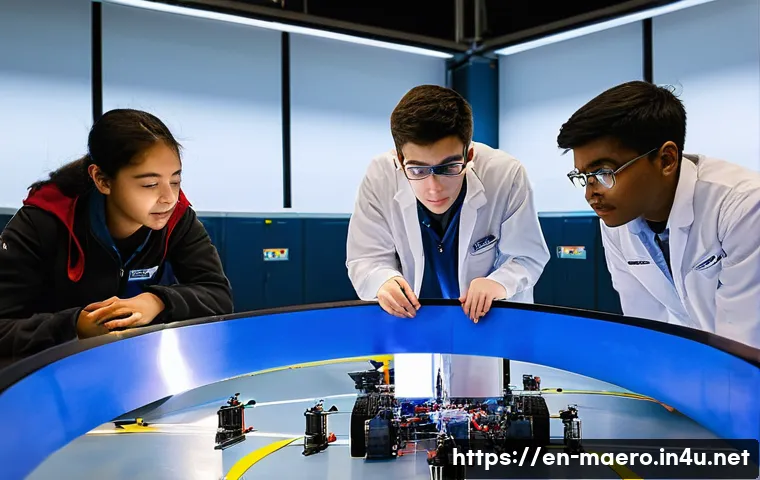
You’ll often find yourself in labs, running simulations or even testing small-scale models, which is truly where the learning comes alive.
Beyond the Classroom: Hands-On Experience That Matters
Internships and Co-ops: Real-World Test Flights
Let me tell you, what you learn in textbooks is vital, but nothing, and I mean *nothing*, beats real-world experience. Internships and co-op programs are your golden ticket to seeing aerospace engineering in action.
I remember my first internship; it was an eye-opener. Suddenly, those abstract equations had tangible applications, and the theories I’d studied came alive in the bustling environment of an actual engineering firm.
You get to work alongside seasoned professionals, contribute to real projects, and understand the practical challenges that aren’t covered in lectures.
Whether it’s helping design a small component, analyzing test data, or contributing to a simulation project, these experiences are invaluable. They not only beef up your resume significantly but also help you figure out what specific areas of aerospace engineering genuinely excite you.
Plus, you start building a professional network, which is absolutely crucial in any industry. Many companies even use internships as a pipeline for full-time hires, so it’s a direct pathway to your first job!
Don’t underestimate the power of showing up, being eager to learn, and asking questions. That’s how you really make an impression.
Student Projects and Competitions: Building and Innovating
Beyond formal internships, student projects and competitions are an incredible way to gain practical experience and develop those all-important soft skills.
Joining a university’s rocketry club, an aerospace design team, or even participating in something like the AIAA Design/Build/Fly competition, provides a unique opportunity to apply classroom knowledge in a tangible way.
My experience with a university team building a small unmanned aerial vehicle (UAV) taught me more about project management, teamwork under pressure, and iterative design than any single course ever could.
You’ll face real constraints – budget, time, materials – and learn to innovate within those boundaries. These projects often require you to work with people from different engineering disciplines, mimicking the collaborative environment of a real aerospace company.
You might be designing a wing, coding flight control software, or fabricating parts, all while working towards a common goal. It’s a challenging but incredibly rewarding experience that allows you to make mistakes, learn from them quickly, and truly understand the engineering design process from start to finish.
These are the experiences that make you stand out from the crowd when you’re looking for that first job.
Charting Your Course: Specializations in Aerospace
From Rockets to Rotors: Popular Pathways
One of the coolest things about aerospace engineering is how broad and diverse the field is. Once you’ve got the fundamentals down, you’ll start to see pathways emerge, inviting you to specialize in areas that truly capture your imagination.
Are you obsessed with the roar of a jet engine? Then propulsion systems might be your calling, where you’ll design and optimize everything from turbofans to ion thrusters.
Do you marvel at how a massive aircraft stays airborne? Aerodynamics and aircraft design will let you sculpt the perfect airfoils and fuselage shapes.
If you’re captivated by the vastness of space, then astronautics, which encompasses spacecraft design, orbital mechanics, and mission planning, will be right up your alley.
For those who love the intricate dance of electronics and software, avionics and control systems engineering offer a chance to be at the heart of how these complex machines operate.
And let’s not forget structural analysis, ensuring that every component can withstand the immense stresses of flight or space travel. The beauty is that there’s usually a specialization that aligns perfectly with your individual interests and strengths, allowing you to become a true expert in your chosen niche.
Emerging Frontiers: Where Innovation Takes Flight
While the traditional specializations are still incredibly vital, the aerospace industry is evolving at warp speed, creating entirely new frontiers for bright minds.
Think about the rise of sustainable aviation, pushing the boundaries of electric and hybrid-electric propulsion. We’re talking about engineers working on advanced battery technologies, fuel cell integration, and even hydrogen-powered aircraft.
Then there’s the burgeoning field of urban air mobility, with eVTOLs (electric Vertical Take-Off and Landing vehicles) promising to transform how we commute in cities.
This area demands expertise in novel aircraft configurations, quiet propulsion, and complex air traffic management systems. Space exploration is also undergoing a renaissance, not just with traditional government agencies but with dynamic private companies like SpaceX, Blue Origin, and Virgin Galactic.
This has opened up specializations in reusable rocket technology, satellite constellation design, space tourism, and even lunar and Martian colonization infrastructure.
Cybersecurity for aerospace systems is another critical and growing area, ensuring the safety and integrity of our interconnected aircraft and spacecraft.
It’s an exciting time to be in aerospace because the problems we’re solving today are literally shaping tomorrow’s world.
Launching Your Career: Post-Graduation Pathways

From Entry-Level Engineer to Industry Leader
So, you’ve earned that hard-won degree in aerospace engineering – what’s next? The world is truly your oyster! Most graduates kick off their careers in entry-level engineering roles at major aerospace companies, defense contractors, airlines, or even government agencies like NASA or the FAA.
You might start as a design engineer, meticulously crafting components, or a test engineer, putting new systems through their paces. Perhaps a stress analyst, ensuring structural integrity, or a systems integration engineer, making sure all the different parts of a complex machine work together seamlessly.
The path from there is incredibly dynamic. With experience, continuous learning, and a passion for your work, you can climb the ranks to lead engineering teams, manage large-scale projects, or even transition into leadership roles within research and development.
What I’ve seen time and again is that the foundational problem-solving skills you gain in aerospace engineering are incredibly valuable and transferable, opening doors to diverse career paths even beyond traditional aerospace.
It’s a career that offers endless opportunities for growth and impact, making every day feel like a new challenge.
Advanced Degrees: Taking Your Expertise Higher
For many aerospace engineers, a bachelor’s degree is just the beginning. The field is so incredibly complex and specialized that pursuing an advanced degree – a Master of Science (M.S.) or even a Doctor of Philosophy (Ph.D.) – can significantly enhance your career prospects and allow you to delve much deeper into specific areas of research.
A master’s degree might be ideal if you want to specialize further, perhaps in advanced propulsion, autonomous systems, or computational fluid dynamics, without committing to a full research career.
It often involves more advanced coursework and a master’s thesis or project. A Ph.D., on the other hand, is generally for those who are passionate about pushing the boundaries of knowledge, conducting original research, and potentially pursuing careers in academia, cutting-edge R&D, or as subject matter experts in industry.
These advanced degrees can open doors to highly specialized, high-impact roles, often leading to leadership positions in innovation and design. The financial investment and time commitment are significant, but the intellectual challenge and the potential for greater career fulfillment and earning potential can be well worth it for those with a strong research inclination.
| Specialization Area | Key Focus Areas | Typical Roles |
|---|---|---|
| Aerodynamics | Airflow, Lift & Drag, Wing Design, Computational Fluid Dynamics (CFD) | Aerodynamicist, Performance Engineer, CFD Analyst |
| Propulsion Systems | Jet Engines, Rocket Engines, Electric Propulsion, Thermodynamics, Turbomachinery | Propulsion Engineer, Engine Designer, Test Engineer |
| Flight Mechanics & Controls | Aircraft Stability, Control Systems, Autopilots, Simulation, Robotics | Control Systems Engineer, Flight Test Engineer, Autonomy Engineer |
| Spacecraft Design & Orbital Mechanics | Satellite Design, Trajectories, Mission Planning, Space Environments, Astrodynamics | Spacecraft Engineer, Mission Analyst, Satellite Operations Engineer |
| Structures & Materials | Stress Analysis, Material Selection, Lightweight Composites, Fatigue & Fracture Mechanics | Structural Engineer, Materials Engineer, Stress Analyst |
| Avionics | Navigation, Communication Systems, Electrical Systems, Embedded Software, Sensors | Avionics Engineer, Software Engineer (Aerospace), Systems Integration Engineer |
The Financial Flight Plan: Funding Your Aerospace Journey
Scholarships and Grants: Fueling Your Education
Let’s be real, a top-tier aerospace engineering education can be a significant investment, and the cost of tuition, living expenses, and materials can add up quickly.
But don’t let that deter you from pursuing your dreams! There are numerous avenues to help lighten that financial load. Scholarships and grants are your best friends here, as they’re essentially free money you don’t have to pay back.
I’ve seen so many talented students secure funding from various sources. There are university-specific scholarships, national engineering scholarships from professional organizations like AIAA (American Institute of Aeronautics and Astronautics), and even grants from private companies that are keen to foster the next generation of aerospace talent.
Many scholarships look beyond just academic performance, also considering leadership potential, community involvement, and demonstrated interest in the field.
It takes a bit of digging and a lot of application writing, but trust me, the effort is well worth it. Start early, research thoroughly, and apply to everything you might qualify for.
Every dollar helps bring that dream closer to reality without racking up astronomical student debt.
Working While Studying: Balancing Books and Bucks
Beyond scholarships, many students choose to work part-time during their studies to help cover costs or gain valuable experience. This could range from on-campus jobs like a research assistant or teaching assistant, which often offer flexible hours and relevant experience, to off-campus roles.
While balancing a demanding engineering curriculum with a job requires serious time management skills and discipline, it can also provide invaluable professional development.
I knew classmates who worked in their university’s engineering labs, getting paid to assist professors with research, which was a fantastic way to earn money and deepen their understanding of specific aerospace topics.
Others found part-time positions in local engineering firms or tech companies. The key is to find a balance that doesn’t compromise your academic performance.
Sometimes, even a few hours a week can make a difference. It also teaches you responsibility, budgeting, and the value of hard work, qualities that will serve you well not just in your education, but throughout your entire professional career.
Building Your Network: Connections That Propel You Forward
Professional Organizations and Student Chapters
If there’s one piece of advice I wish I had taken more seriously early on, it’s the importance of networking. It sounds like a buzzword, but in aerospace, it’s how opportunities really open up.
Joining professional organizations like the AIAA (American Institute of Aeronautics and Astronautics) or your university’s student chapter isn’t just about adding a line to your resume; it’s about connecting with people who share your passion and are already where you want to be.
These organizations often host industry speakers, career fairs, and technical workshops that give you insights you won’t get anywhere else. You get to meet engineers from top companies, hear about their projects, and sometimes even get informal mentorship.
I remember attending a local AIAA meeting where a senior engineer from a major aerospace firm shared stories about designing a component for the International Space Station – it was absolutely captivating and incredibly motivating.
These connections can lead to internship opportunities, mentorship, and even your first job after graduation. Don’t be shy; introduce yourself, ask thoughtful questions, and follow up.
You never know where a casual conversation might lead.
Mentorship and Industry Connections
Finding a mentor is like having a seasoned co-pilot on your aerospace journey. These are individuals, often experienced engineers or academics, who can offer guidance, share their wisdom, and help you navigate the complexities of your studies and early career.
I’ve been incredibly fortunate to have a few mentors throughout my career, and their advice has been invaluable – from helping me choose the right courses to giving me insights into industry trends.
You can find mentors through professional organizations, university faculty, or even through networking events. Don’t be afraid to reach out to professors whose work you admire or to professionals you meet at conferences; most people are genuinely happy to help aspiring engineers.
Beyond formal mentorship, simply making connections with people in the industry can open doors. Attending industry conferences, career fairs, and even informational interviews can expand your network significantly.
These connections are more than just names in your contact list; they are your support system, your source of information, and often, your pathway to exciting new opportunities.
The aerospace world, while vast, is also surprisingly tight-knit, and strong connections can make all the difference.
글을 마치며
Aerospace engineering is more than just a field of study; it’s a thrilling expedition into innovation, discovery, and pushing the boundaries of what’s possible.
I hope this comprehensive guide has shed some light on the incredible path that lies ahead, from your initial high school explorations to launching a fulfilling career.
Remember, every giant leap started with a single, passionate step. Keep that curiosity alive, embrace every learning opportunity, and get ready to leave your own mark on the skies and beyond.
It’s an adventure truly worth taking!
알아두면 쓸모 있는 정보
1.
Start Early: Begin exploring STEM subjects and hands-on projects in high school. This early engagement not only builds foundational skills but also helps confirm your passion. Admissions committees love seeing this initiative.
2.
Seek Practical Experience: Internships, co-ops, and student design teams are invaluable. They provide real-world application of your knowledge, build your resume, and connect you with industry professionals.
3.
Network Relentlessly: Join professional organizations like AIAA and attend industry events. Connections and mentorship can open doors to opportunities you might never find on your own.
4.
Embrace Specialization: While a broad understanding is crucial, don’t be afraid to delve deep into an area that truly excites you, whether it’s propulsion, aerodynamics, or space systems. This focus can define your unique career trajectory.
5.
Never Stop Learning: The aerospace industry is constantly evolving. A commitment to lifelong learning, through advanced degrees or continuous professional development, will keep you at the forefront of innovation.
중요 사항 정리
Aerospace engineering demands a strong academic foundation in STEM, particularly math and physics. Practical, hands-on experience through internships and student projects is crucial for applying theoretical knowledge and building a professional network.
Strategic specialization within the vast field can lead to impactful career paths, while continuous learning and active networking are essential for sustained growth and success in this dynamic industry.
Frequently Asked Questions (FAQ) 📖
Q: What exactly does an aerospace engineer do in today’s rapidly changing world?
A: You know, it’s funny because when I tell people I’m passionate about aerospace, they often picture someone in a white lab coat meticulously designing a rocket, and while that’s absolutely a part of it, the field has exploded way beyond that!
Today, aerospace engineers are truly at the forefront of shaping our future, both on Earth and beyond. We’re talking about designing, developing, and testing everything that flies or ventures into space – from commercial jets and military aircraft to cutting-edge satellites, advanced missiles, and even the sleek new urban air mobility vehicles like eVTOLs.
It’s such a diverse landscape. Some engineers, often called aeronautical engineers, focus on optimizing flight within Earth’s atmosphere, constantly innovating for more efficient and sustainable aircraft.
Others, the astronautical engineers, are deep into the science and technology of spacecraft, working on everything from planetary exploration missions with private companies like SpaceX and Blue Origin to developing small, sophisticated satellites that power so much of our daily lives.
My experience has shown me it’s all about a deep dive into complex systems: thinking about propulsion, structures, flight dynamics, navigation, and ensuring every component, every material, and every line of code performs flawlessly.
It’s a role that demands incredible precision, constant problem-solving, and a good dose of imaginative thinking, because honestly, we’re building the future of flight, literally one breakthrough at a time.
Q: What’s the typical educational journey to become an aerospace engineer, and what subjects are most important to focus on?
A: If you’re looking up at the sky with that spark in your eye, wondering how to get started, trust me, you’re on the right path! The educational journey to becoming an aerospace engineer is rigorous, but incredibly rewarding.
Generally, you’ll need a bachelor’s degree in aerospace engineering or a closely related field. My advice to anyone still in high school is to absolutely nail your math and science classes – think calculus, physics, and chemistry.
These are your foundational building blocks, truly critical for understanding everything that comes next. Once you hit university, you’ll dive deep into core engineering principles like mechanics, thermodynamics, fluid mechanics, materials science, and heat transfer.
Then, you’ll specialize further into aerospace-specific subjects such as aerodynamics, propulsion systems, aircraft structures, flight dynamics, and those fascinating avionics and control systems that make modern flight possible.
What I’ve found personally invaluable are the hands-on experiences. Look for programs that emphasize integrated lab courses, internships, and co-op opportunities.
Getting real-world experience during your studies, whether it’s designing a drone for a school project or interning at an aerospace company, gives you an edge and helps solidify all that theoretical knowledge.
It’s not just about acing exams; it’s about applying what you learn to solve real engineering puzzles, and that’s where the magic truly happens.
Q: Is a career in aerospace engineering as challenging as it sounds, and what kind of satisfaction can you really get from it?
A: Oh, it absolutely is challenging, no two ways about it! I won’t sugarcoat it – there are days that push you to your absolute limits. Aerospace engineering demands a unique blend of technical expertise, creativity, and sheer resilience.
You’re constantly solving incredibly complex problems, often working on projects with high stakes where safety and precision are paramount. Sometimes, meeting those tight deadlines means putting in extra hours, and the learning curve never really flattens; you’re always adapting to new technologies and evolving industry standards.
But here’s the kicker, and why so many of us wouldn’t trade it for anything: the rewards are just as substantial, if not more so. There’s an unparalleled sense of satisfaction in knowing that your work contributes to something monumental.
Imagine seeing an aircraft you helped design take its first flight, or a spacecraft you worked on successfully launch into orbit. That feeling, that sense of pride in making a tangible impact on aviation and space exploration, is truly electrifying.
Beyond that, it’s a stable industry with strong demand globally, offering competitive salaries and incredible opportunities for innovation. You get to collaborate with some of the smartest, most passionate people on the planet.
For me, the chance to be part of groundbreaking advancements, to continuously learn, and to contribute to shaping the future of human ingenuity? That’s what makes every single challenge worth it.
It’s more than a job; it’s a journey of discovery and impact.