Hey there, fellow tech enthusiasts and curious minds! Have you ever wondered how engineers design everything from super-efficient airplane wings to those incredibly sleek sports cars, or even how medications flow through our bodies?
For years, I was fascinated by the sheer complexity of it all, constantly thinking about the invisible forces at play. It really blew my mind when I first stumbled upon the world of Computational Fluid Dynamics, or CFD.
It’s not just some abstract academic concept; it’s a powerful tool that’s literally shaping our physical world, making the impossible, well, possible.
In my journey through countless projects and even some personal tinkering (yes, I’ve tried to simulate my coffee machine’s water flow, don’t ask!), I’ve seen firsthand how CFD has revolutionized design and problem-solving across countless industries.
We’re talking about virtual wind tunnels, predicting weather patterns with astonishing accuracy, and even optimizing the heating and cooling systems in our smart homes.
It’s like having a superpower that lets you see the invisible movements of air and liquid, allowing you to tweak and perfect designs long before anything is ever built.
The sheer efficiency and cost savings? Absolutely game-changing! It’s exciting to think about how CFD is evolving, especially with AI and machine learning stepping in.
We’re moving towards real-time simulations and digital twins that were once pure science fiction, making design cycles faster and more intuitive than ever before.
This isn’t just for rocket scientists anymore; it’s becoming an indispensable part of almost every innovation we see around us, from optimizing renewable energy systems to making our daily commutes smoother.
If you’re anything like me, you’ll find this topic absolutely gripping because it bridges the gap between complex physics and tangible, real-world impact.
So, let’s unpack this incredible technology and see just how it’s pushing the boundaries of what we thought was possible.
Peeking Behind the Curtain: What Makes Things Flow?
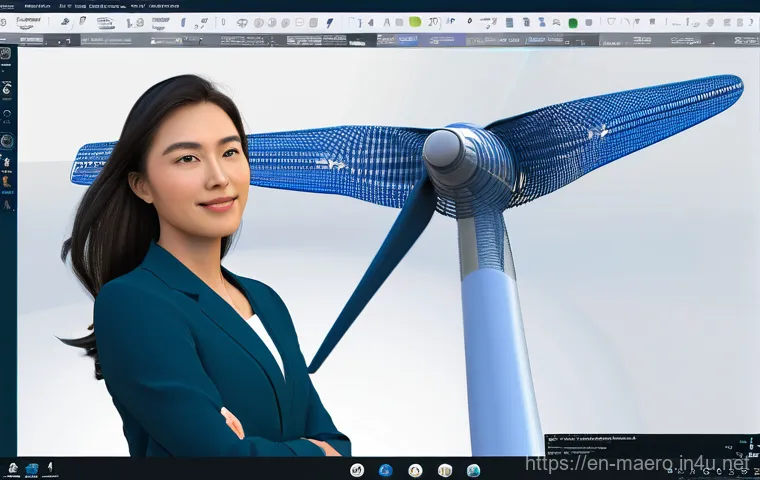
You know, for the longest time, I used to stare at things like an airplane wing slicing through the air or a river carving its path through the landscape, utterly mesmerized by the unseen forces at play. It’s like there’s this whole secret world of movement and interaction happening right before our eyes, but we can’t actually *see* it. That’s where Computational Fluid Dynamics, or CFD, truly blew my mind when I first encountered it. It’s not just some dry, academic subject; it’s a window into that invisible world. Imagine being able to virtually pour a liquid or blow air over any object you design and watch exactly how it behaves. Think about the feeling of understanding not just *what* happens, but *why* it happens, seeing those intricate eddies and currents form. This technology literally gives us X-ray vision into the physics of fluid motion, making it possible to predict, analyze, and optimize designs in ways that were once pure fantasy. It allows us to move beyond guesswork and into a realm of precise, data-driven insight, saving countless hours and resources that would have been spent on physical trials. From designing more aerodynamic vehicles to optimizing industrial mixing processes, the ability to visualize and quantify fluid behavior fundamentally changes the game. It’s truly incredible to see how a complex numerical model can translate into such a clear, intuitive understanding of physical phenomena.
Visualizing the Invisible
When I first started dabbling with CFD, one of the most exciting aspects was the sheer ability to visualize what was previously, well, invisible. You’re not just looking at numbers on a spreadsheet; you’re seeing vibrant color maps showing pressure distributions, streamlines tracing the path of fluid particles, and even animations depicting how a flow evolves over time. It’s like watching a high-definition movie of physics in action. This visual feedback is incredibly powerful for engineers and designers. It’s one thing to read about turbulence, but it’s another entirely to *see* those chaotic swirls and vortices forming and dissipating around a moving object. This capability transforms complex mathematical equations into intuitive insights, making it so much easier to identify problem areas, understand performance bottlenecks, or even discover unexpected efficiencies. I remember working on a small project simulating airflow through a ventilation system in a warehouse, and seeing the stagnant air pockets highlighted in red was an ‘aha!’ moment that no amount of theoretical calculation could have provided as clearly. It truly brings the abstract to life, making the learning curve steeper but immensely rewarding.
More Than Just Math: Intuition Meets Simulation
What I’ve come to appreciate deeply about CFD isn’t just its computational power, but how it enhances our own intuition as designers and problem-solvers. It’s not about replacing human creativity; it’s about empowering it. Before CFD, much of fluid dynamics relied on empirical data, simplified models, and a good dose of educated guesswork. Now, with sophisticated simulations, we can test countless variations of a design virtually, gaining an unparalleled understanding of how even subtle changes impact performance. I’ve found that running a few quick simulations can often reveal design flaws or opportunities that would have taken dozens of costly physical prototypes to uncover. This iterative process, where you tweak a design, simulate, analyze, and repeat, builds an incredible reservoir of experience and intuition. It lets you explore radical ideas without the financial risk, pushing the boundaries of what’s possible. It’s a dynamic interplay: your human insight guides the simulations, and the simulation results, in turn, sharpen your insight. This synergy is what makes CFD such a profoundly transformative tool, allowing us to ask “what if” questions with confidence and get reliable answers.
Unleashing Design Superpowers: From Concept to Reality
Think about any complex product around you – from your car to the latest smartphone. Every single one of them has undergone a meticulous design process, and for those involving fluids (which is practically everything, even heat dissipation is fluid flow!), CFD has become an indispensable superpower. It’s like having a crystal ball that shows you exactly how your design will behave under real-world conditions, long before you ever commit to building a physical prototype. This means that instead of going through endless, expensive cycles of “build it, test it, break it, fix it,” engineers can refine and perfect their ideas in a virtual environment. I’ve seen firsthand how this accelerates the entire design timeline. Imagine you’re designing a new pump: you can simulate various impeller geometries, casing designs, and operating conditions, identifying the most efficient configuration without ever touching a wrench. This capability isn’t just about making things *work*; it’s about making them work *optimally*, pushing the boundaries of performance and efficiency. It’s a tool that allows for bolder innovation because the risks associated with testing radical new concepts are dramatically reduced, fostering a culture of continuous improvement and groundbreaking breakthroughs.
Iterative Design: The Path to Perfection
One of the aspects of CFD that truly excites me is its role in iterative design. Gone are the days when a designer would create a blueprint, build a prototype, test it, find flaws, and then have to go all the way back to the drawing board to start the process over. With CFD, that entire loop is compressed and made infinitely more efficient. You can sketch an initial concept, run a simulation, immediately see its strengths and weaknesses, and then make precise adjustments in minutes or hours, not weeks or months. This rapid iteration allows for a much more thorough exploration of the design space. I’ve personally experienced the thrill of making a tiny adjustment to a virtual model – perhaps changing an airfoil’s curve by a fraction of a millimeter – and then seeing a significant improvement in its aerodynamic performance reflected instantly in the simulation results. This kind of immediate feedback loop is invaluable for learning and refinement, allowing engineers to hone their craft and push designs toward true perfection, achieving performance metrics that were once considered unattainable. It’s a powerful cycle that transforms what used to be a linear, often frustrating process into a dynamic, engaging, and highly effective one.
Optimization at Its Core
When we talk about optimization, CFD isn’t just a useful tool; it’s absolutely central to the process. Whether you’re trying to reduce drag on a vehicle, maximize heat transfer in a cooling system, or ensure even distribution of a liquid in a mixing tank, CFD provides the quantitative data needed to make informed decisions. It allows you to systematically explore different design parameters and objectively evaluate their impact on key performance indicators. For instance, in the world of competitive cycling, every fraction of a second counts. CFD is used extensively to optimize bicycle frames, helmets, and even rider positions to minimize aerodynamic drag. It’s not just about making something look good; it’s about making it perform at its absolute peak. This level of granular optimization can translate into significant competitive advantages, whether in sports, manufacturing, or energy efficiency. My personal favorite example is how it’s used in designing efficient wind turbines. Engineers can simulate various blade shapes and angles to extract the maximum amount of energy from the wind, a task that would be incredibly difficult and expensive to achieve through physical testing alone. It truly elevates design from art to a precise science, ensuring every component is performing at its best.
Beyond the Blueprint: How CFD Saves Big Bucks
Let’s be real, in any industry, the bottom line is king, and that’s where CFD truly shines beyond its technical prowess. The costs associated with physical prototyping, testing, and re-tooling can be astronomical. Imagine building a full-scale airplane model for a wind tunnel test – we’re talking millions of dollars and months of work. Now, imagine being able to conduct dozens, even hundreds, of those “tests” virtually, with just a click of a button and a fraction of the cost. That’s the power of CFD. It drastically reduces the need for expensive physical prototypes, allowing companies to iterate faster and bring products to market much more quickly. I’ve seen businesses transform their product development cycles, moving from a multi-year process with several physical prototypes to a lean, efficient flow where CFD simulations dominate the early stages. This isn’t just about saving money on materials; it’s about saving valuable time, reducing engineering hours, and avoiding costly manufacturing errors down the line. The return on investment for implementing CFD can be truly staggering, making it not just a technical advantage, but a significant strategic business asset that fuels innovation without bleeding the budget dry. It lets you fail fast and fail cheap in the virtual world, so you can succeed spectacularly in the real one.
Cutting Costs, Not Corners
When I think about the financial impact of CFD, the ability to cut costs without compromising on quality or performance is paramount. It’s not about taking shortcuts; it’s about optimizing the entire development pipeline. Before widespread CFD adoption, complex fluid dynamic challenges often meant relying heavily on empirical data and extensive physical experiments. Each physical test, whether it was a water channel test for a ship hull or a wind tunnel test for a vehicle, carried significant expenses in terms of materials, labor, specialized facilities, and time. CFD dramatically shifts this paradigm. You can run hundreds of different scenarios, varying parameters like material properties, geometry, or flow rates, all within a computational environment. This allows engineers to identify optimal designs and potential failure points virtually, long before any expensive manufacturing processes begin. I’ve witnessed projects where initial CFD simulations revealed design flaws that would have required a complete re-tooling of a physical prototype, saving hundreds of thousands of dollars and preventing significant delays. It’s about being smarter with your resources, ensuring every dollar spent contributes directly to a superior, validated product, rather than rectifying avoidable mistakes.
Speeding Up Innovation Cycles
In today’s fast-paced market, being first to market with an innovative product can make all the difference, and CFD is an absolute game-changer in this regard. The ability to rapidly test and refine designs virtually means that the entire product development cycle can be significantly compressed. Instead of waiting weeks or months for a physical prototype to be built and tested, engineers can get feedback from a CFD simulation in a matter of days, or even hours, depending on the complexity. This acceleration doesn’t just mean quicker product launches; it means more opportunities for innovation. Teams can explore a wider array of design concepts and push the boundaries of what’s possible because the barriers to experimentation are so much lower. I’ve seen companies leverage CFD to release updated versions of their products much faster than competitors, gaining a significant market edge. This agility fosters a culture of continuous improvement and allows businesses to respond more rapidly to changing customer needs and technological advancements. It’s not just about speed for speed’s sake; it’s about enabling a continuous flow of creative solutions and maintaining relevance in an ever-evolving landscape, which is crucial for long-term success and profitability.
The Digital Twin Revolution: Predicting the Unpredictable
If you’re anything like me, the concept of a “digital twin” probably sounds like something straight out of a sci-fi movie, but let me tell you, it’s very real and CFD is at its heart. Imagine having a perfect, real-time virtual replica of a physical asset – a jet engine, a manufacturing plant, or even an entire city’s water network. This digital twin constantly receives data from its physical counterpart, allowing you to monitor its performance, predict potential issues, and optimize its operation, all without ever touching the actual equipment. It’s mind-bogglingly powerful! CFD simulations integrated into these digital twins enable engineers to predict how fluid flows and heat transfer will behave under various operating conditions, identifying wear and tear or inefficiencies long before they become critical problems. I’ve seen this technology applied to massive industrial pumps, where the digital twin can flag a potential cavitation issue weeks in advance, allowing for proactive maintenance and preventing catastrophic failures. It’s not just about reacting to problems; it’s about anticipating them and acting before they even fully materialize. This level of predictive power is transforming how industries manage complex systems, ushering in an era of unprecedented reliability and efficiency. It really feels like we’re living in the future, and it’s exhilarating to be part of it.
Real-Time Insights, Real-World Impact
The beauty of integrating CFD into digital twins lies in the ability to gain real-time insights that have immediate, tangible impacts in the physical world. Think about a massive offshore oil rig: maintaining its critical systems is a logistical nightmare. But with a digital twin powered by CFD, engineers can monitor the fluid dynamics within pipelines, predict erosion rates, or even simulate the impact of environmental factors like ocean currents on the platform’s stability. This continuous stream of data, analyzed through sophisticated simulations, provides an unparalleled understanding of the asset’s health and performance. I recall a fascinating case study where a company used a digital twin to optimize the cooling system of a data center. By simulating real-time temperature and airflow, they could pinpoint hot spots and adjust ventilation dynamically, saving significant energy costs and preventing hardware failures. This isn’t just academic; it translates directly into operational savings, improved safety, and enhanced performance across a multitude of applications. It’s about moving from scheduled maintenance to predictive maintenance, optimizing operations on the fly, and making every decision based on the most current and accurate data available. The real-world consequences are nothing short of revolutionary.
Predictive Power in Action

The predictive power that CFD brings to the table, especially within the framework of digital twins, is truly astonishing. It moves us beyond simply understanding what’s happening now to accurately forecasting what *will* happen. Imagine a situation where you can simulate the effects of a sudden surge in demand on a city’s water supply network, or predict how a change in atmospheric conditions will affect the performance of a wind farm. CFD allows for these kinds of “what-if” scenarios to be run virtually, providing invaluable foresight. I’ve been particularly impressed by its application in process industries, where complex chemical reactions and fluid mixing are critical. A digital twin can simulate how changes in temperature or flow rate will impact product quality, allowing operators to make proactive adjustments before any off-spec product is produced. This level of control and foresight minimizes waste, improves consistency, and significantly enhances operational efficiency. It’s about being proactive rather than reactive, enabling businesses and industries to navigate complex challenges with a clear vision of future outcomes. This capability mitigates risks, optimizes resource allocation, and ultimately drives innovation with a confidence that was previously impossible to achieve.
Everyday Wonders: Where CFD Touches Your Life
It’s easy to think of CFD as something only used by rocket scientists or Formula 1 teams, but the truth is, this incredible technology quietly touches our lives in countless ways every single day. From the moment you wake up to the time you go to bed, chances are a product or system optimized with CFD has played a role in making your life better, safer, or more comfortable. Have you ever wondered why your car is so fuel-efficient, or how your home stays warm in winter and cool in summer? CFD has a hand in all of it. It’s not just about large-scale industrial applications; it’s intricately woven into the fabric of our modern existence, enhancing the performance and efficiency of the mundane and the magnificent alike. I’ve often found myself pointing out examples to friends – like the sleek design of a high-speed train, the quiet hum of an air conditioner, or even the perfect pour from a coffee machine (yes, I *did* try to simulate my own coffee machine flow, and it was fascinating!). The impact is truly ubiquitous, making our world a more optimized and thoughtfully engineered place, often without us even realizing the sophisticated science behind it. It’s a testament to how complex computational tools can be applied to solve very practical, everyday problems, improving our quality of life in subtle yet significant ways.
From Cars to Coffee Makers
Let’s talk specifics. Your car, for instance, is a rolling testament to CFD’s impact. Engineers use it to design more aerodynamic body shapes, reducing drag and improving fuel economy. They also simulate airflow around the engine to optimize cooling, and even model the airflow inside the cabin to ensure effective climate control and occupant comfort. But it doesn’t stop there! Think about sports equipment: bicycle helmets, golf clubs, and even swimming gear are all optimized using CFD to minimize drag and maximize performance. Even something as seemingly simple as a coffee maker or a water faucet has likely benefited. Designers simulate water flow to ensure an even brew, prevent splashing, and optimize heat transfer. In the world of architecture, CFD is critical for designing efficient HVAC systems for buildings, ensuring comfortable temperatures and good air quality while minimizing energy consumption. It’s truly amazing how a technology initially developed for aerospace and defense has permeated so many aspects of consumer goods and infrastructure, making them more efficient, safer, and more pleasant to use. It’s a quiet revolution that makes everyday objects work smarter for us.
Enhancing Comfort and Efficiency at Home
Our homes are becoming increasingly smart and efficient, and CFD plays a crucial, though often unseen, role in this evolution. Consider your heating, ventilation, and air conditioning (HVAC) system. CFD helps engineers design ductwork and vent placements to ensure uniform temperature distribution throughout your living spaces, eliminating cold spots and drafts while maximizing energy efficiency. It also helps in designing quieter fan blades and more efficient heat exchangers. Beyond HVAC, CFD contributes to the design of more energy-efficient appliances like refrigerators and ovens by optimizing airflow and heat transfer. Even the simple act of flushing a toilet can involve CFD to optimize water flow and ensure cleanliness while minimizing water usage. Furthermore, for those living in urban areas, CFD is increasingly used in urban planning to understand wind patterns around tall buildings, helping to design more comfortable pedestrian spaces and mitigate potential wind hazards. It’s about creating living environments that are not only comfortable and aesthetically pleasing but also sustainable and cost-effective to run. The technology is literally shaping the air we breathe and the environments we inhabit, making our personal spaces more harmonious and efficient.
| Application Area | CFD’s Role | Benefit to You |
|---|---|---|
| Automotive Design | Optimizing vehicle aerodynamics, engine cooling, cabin climate control. | Better fuel economy, quieter rides, more comfortable interior. |
| Aerospace Engineering | Designing efficient wings, fuselages, and jet engines; reducing drag. | Safer, faster, and more fuel-efficient flights. |
| Architecture & HVAC | Predicting airflow, temperature distribution in buildings; optimizing ventilation. | More comfortable indoor environments, lower energy bills. |
| Sports Equipment | Reducing drag on bikes, helmets, swimwear. | Improved athletic performance, competitive edge. |
| Medical Devices | Simulating blood flow in arteries, drug delivery systems. | More effective treatments, safer medical procedures. |
The Future is Flowing: Next-Gen CFD and AI
If you thought CFD was impressive already, buckle up, because the future of this technology, especially with the integration of Artificial Intelligence and Machine Learning, is absolutely mind-blowing. We’re on the cusp of a new era where simulations won’t just be faster and more accurate, but also incredibly intuitive and proactive. Imagine not just running a simulation, but having an AI suggest optimal designs based on thousands of previous simulations, learning and evolving with every iteration. This synergy between CFD and AI is set to revolutionize every industry, moving us towards a world where design bottlenecks are a thing of the past and innovation can truly flourish at an unprecedented pace. I’ve been following the developments closely, and the ability of machine learning algorithms to sift through massive amounts of simulation data to identify subtle patterns and relationships that even the most experienced engineer might miss is simply staggering. It’s about moving beyond simply automating calculations to actually augmenting human creativity and problem-solving capabilities, pushing the boundaries of what we previously thought was achievable. The potential for groundbreaking discoveries and transformative designs is literally limitless, and it’s a future I’m incredibly excited to be a part of.
The AI Advantage in Simulation
The integration of AI and Machine Learning is injecting a whole new level of intelligence into CFD. Traditionally, setting up a complex CFD simulation could be a laborious process, requiring significant expertise to define mesh parameters, boundary conditions, and turbulence models. AI is stepping in to automate and optimize many of these steps. Machine learning algorithms can learn from vast databases of past simulations and real-world data to intelligently generate meshes, predict optimal solver settings, and even accelerate the convergence of solutions. This doesn’t just save time; it makes CFD more accessible to a wider range of engineers and designers who might not be fluid dynamics specialists. Furthermore, AI can be used to perform “surrogate modeling,” creating fast, approximate models that can predict CFD results in a fraction of the time it would take to run a full simulation. This is incredibly powerful for design optimization, allowing for rapid exploration of countless design variations. I’ve seen some fascinating research where AI is even used to *interpret* simulation results, highlighting critical areas or anomalies that might otherwise be overlooked. It’s like having an expert assistant working alongside you, making the entire simulation process more efficient, smarter, and more insightful than ever before.
Making CFD More Accessible
For a long time, CFD was often perceived as an exclusive tool for highly specialized experts in large corporations or research institutions. The complexity of the software, the computational power required, and the steep learning curve often put it out of reach for smaller businesses or individual innovators. However, with advancements in cloud computing, user-friendly interfaces, and increasingly intelligent AI-driven tools, CFD is becoming much more accessible. You no longer need a supercomputer in your office to run complex simulations; you can leverage powerful cloud resources on a pay-as-you-go basis. Software vendors are also investing heavily in creating intuitive platforms that abstract away much of the underlying complexity, allowing designers to focus more on the physics and less on the technicalities of setting up a simulation. I’ve personally experimented with some of the newer, more streamlined CFD platforms, and the difference is remarkable. This democratization of CFD means that innovation is no longer limited by access to expensive resources. Startups, small engineering firms, and even passionate individual developers can now tap into this powerful technology to develop groundbreaking products and solutions. This trend is hugely exciting because it promises to unleash a wave of creativity and problem-solving that will benefit everyone.
Closing Thoughts
Well, folks, as we wrap things up, I hope you’ve enjoyed this deep dive into the incredible world of Computational Fluid Dynamics. It’s truly amazing to see how a technology once confined to highly specialized labs has blossomed into such a pervasive force, touching everything from the cars we drive to the very air we breathe indoors.
My own journey through understanding CFD has been eye-opening, revealing layers of sophistication that truly empower designers to create wonders. This isn’t just about complex algorithms; it’s about unlocking a future where designs are smarter, more efficient, and inherently more attuned to the physical world around us, driving innovation at a pace we could only dream of before.
It’s an exciting time to witness how science is reshaping our reality, making our lives better in ways we often don’t even perceive.
Useful Information to Know
1. If you’re anything like me, after diving into something fascinating, you immediately want to get your hands dirty and try it out. The good news is, you don’t need a massive budget to start exploring CFD. There are some fantastic free and open-source software options available, like OpenFOAM, that offer robust capabilities for learning and even for smaller-scale projects. While they might have a steeper learning curve compared to commercial packages, the online communities and tutorials are incredibly supportive. I remember spending countless evenings tinkering with these tools, and the sheer satisfaction of running my first basic simulation, even for something as simple as flow over a cylinder, was immense. It truly democratizes access to this powerful technology, allowing curious minds to experiment and develop a foundational understanding without a significant financial commitment. This hands-on experience is invaluable and can be a stepping stone towards more advanced applications, giving you a real feel for the magic behind the numbers.
2. One crucial lesson I quickly learned in the world of CFD is that the quality of your results is directly tied to the quality of your input. This is often referred to as the “Garbage In, Garbage Out” (GIGO) principle, and it’s particularly pertinent in simulations. You can have the most powerful software and the fastest supercomputer, but if your boundary conditions are incorrect, your mesh is poorly constructed, or your physical models are misapplied, your simulation will produce meaningless data. It’s like trying to bake a gourmet cake with rotten ingredients – no matter how skilled the baker, the outcome won’t be good. My advice? Spend ample time understanding the underlying physics of your problem and carefully preparing your input data. This attention to detail in the setup phase saves immense amounts of time and frustration down the line. It’s an investment in the accuracy and reliability of your simulation outcomes, ensuring that the insights you gain are truly valuable and actionable for your design or research.
3. While running the simulation itself feels like the main event, I’ve found that effective post-processing and visualization are just as, if not more, important for truly understanding your results and communicating them effectively. It’s not enough to just get numbers; you need to see the flow patterns, pressure contours, and velocity vectors come to life. Beautifully rendered visualizations can transform complex data into intuitive insights, making it easier to spot anomalies, identify optimal designs, and explain intricate phenomena to non-experts. I remember presenting a project where just a few well-chosen animations and color plots completely changed how my audience grasped a particularly challenging fluid interaction. Investing time in learning how to effectively use post-processing tools will elevate your CFD work from mere calculations to compelling storytelling, allowing you to extract maximum value from your simulations and truly showcase the impact of your efforts. It’s where the invisible becomes tangible, and that’s incredibly powerful.
4. It’s easy to get swept away by the power of simulation and think it can replace all physical testing. However, from my experience, CFD is at its best when it complements, rather than completely replaces, traditional experimentation. Physical tests are vital for validating your simulation models and ensuring that your computational results accurately reflect real-world behavior. Think of it as a feedback loop: experiments provide the ground truth for your CFD models, and then CFD can be used to explore countless variations that would be prohibitively expensive or time-consuming to test physically. I’ve seen projects where early CFD results were initially off, but after calibrating the models with a few targeted physical tests, the simulations became incredibly predictive. This integrated approach, blending the precision of computation with the reality of observation, leads to the most robust and trustworthy engineering solutions. It’s about leveraging the strengths of both worlds to achieve a level of understanding and optimization that neither could deliver alone, creating a more holistic and reliable design process.
5. The beauty of modern technology and the internet is the incredible wealth of knowledge and support available at your fingertips. If you’re looking to dive deeper into CFD, don’t feel like you’re on your own. There are vibrant online communities, forums, dedicated YouTube channels, and MOOCs (Massive Open Online Courses) that offer everything from beginner tutorials to advanced concept explanations. I’ve personally learned so much from watching experts walk through complex setups and discussing challenging problems with fellow enthusiasts. Platforms like LinkedIn also have numerous groups dedicated to CFD where you can connect with professionals and ask questions. This collaborative environment makes the learning journey so much more engaging and efficient. Tapping into these resources can help you overcome hurdles, discover new techniques, and stay updated with the latest advancements in the field. It’s an invaluable asset for anyone looking to build their expertise and connect with a global network of fluid dynamics practitioners and enthusiasts, accelerating your growth far beyond what solo learning could achieve.
Key Takeaways
Alright, so if you take away just a few things from our journey into CFD, let it be these: Firstly, it’s a truly revolutionary technology that grants us ‘X-ray vision’ into the invisible world of fluid dynamics, transforming how we understand and interact with physical phenomena.
Secondly, it’s an indispensable superpower for design and innovation, dramatically cutting down development costs and accelerating product cycles by allowing virtual testing and optimization.
Thirdly, CFD’s impact isn’t confined to grand industrial projects; it subtly but significantly enhances our everyday lives, making everything from our cars to our homes more efficient and comfortable.
Finally, the exciting fusion of CFD with AI is paving the way for a future where design is even more intuitive, predictive, and accessible, promising an era of unprecedented innovation.
This journey into fluid dynamics isn’t just about calculations; it’s about shaping a more optimized, efficient, and smarter world for all of us, driven by incredible computational insight.
Frequently Asked Questions (FAQ) 📖
Q: What exactly is Computational Fluid Dynamics (CFD) in simple terms?
A: Think of CFD as your ultimate virtual wind tunnel or a digital swimming pool, but for literally any fluid – air, water, even molten metal! For years, if an engineer wanted to know how air would flow over a new car design or how a liquid would move through a pump, they’d have to build expensive physical prototypes and run countless tests.
It was time-consuming and often had unexpected costs. What CFD does is take those complex physical laws governing fluid motion and translates them into a language computers understand – mathematics.
Then, using serious computational muscle, we can simulate and visualize how these fluids behave. It’s like having a superpower that lets you see the invisible, predicting everything from how much drag a plane will experience to the temperature distribution in a data center.
For me, it’s that incredible ability to ‘see’ the invisible forces at play that makes it so captivating, letting us tweak and perfect designs long before anything is ever built.
It’s fundamentally about predicting how temperature, pressure, and velocity will behave in a design, all through the power of a screen.
Q: Where is CFD actually used in the real world, beyond just fancy labs?
A: Oh, you’d be absolutely blown away by how pervasive CFD is! It’s truly an indispensable tool across a colossal range of industries, shaping the world around us in ways you might not even realize.
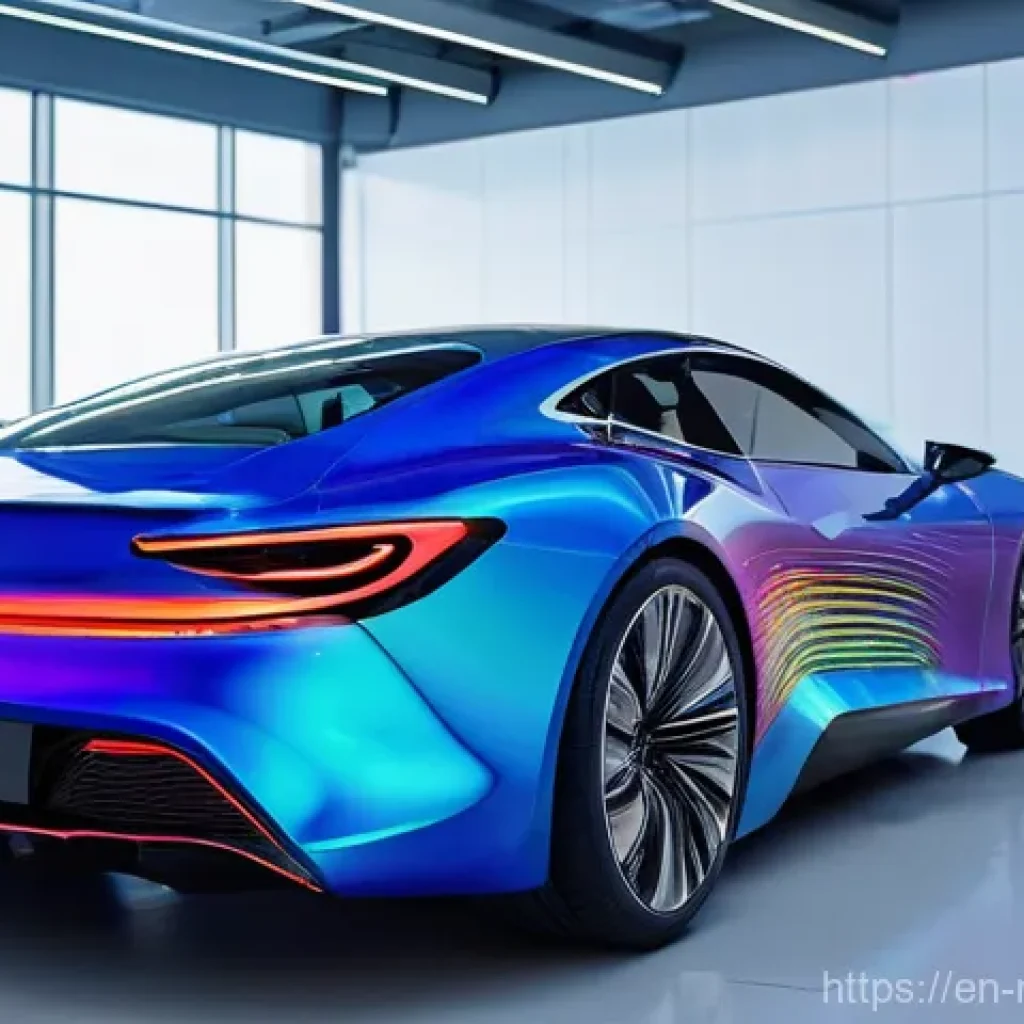
In aerospace, it’s how engineers design those super-efficient airplane wings and rocket engines, optimizing them for maximum fuel economy and safety. Every sleek sports car you see?
CFD has probably had a hand in streamlining its body to reduce drag. I’ve seen firsthand how it helps optimize heating, ventilation, and air conditioning (HVAC) systems in everything from vast public buildings to ensuring specific temperature and humidity levels for priceless artwork in museums.
It’s also vital in biomedical engineering, helping design precise medical devices like cardiovascular implants and inhalers, understanding blood flow, and even simulating how medications move through the body.
Beyond that, think about gas dispersion modeling for safety in industrial settings, optimizing renewable energy systems like wind turbines, or even making sure the cooling systems in your electronics don’t overheat.
It’s literally everywhere, solving gnarly engineering problems that save companies millions and, sometimes, even lives.
Q: How is
A: I and Machine Learning changing the game for CFD, and what does the future hold? A3: This is where things get truly exciting, and honestly, a bit mind-bending!
The integration of Artificial Intelligence and Machine Learning into CFD is a total game-changer, acting as a force multiplier for what was already a powerful tool.
Traditionally, CFD simulations could be computationally intensive, requiring significant time and powerful hardware. But now, AI is stepping in to supercharge the entire process.
We’re talking about AI-based reduced-order models that predict fluid flow patterns significantly faster, sometimes even 10x faster, than conventional methods, without sacrificing accuracy.
I’ve been following some incredible projects where deep learning is being used for turbulence modeling, which is one of the trickiest parts of fluid dynamics.
AI is also revolutionizing mesh generation – that crucial, often tedious, step of preparing a model for simulation. It can automate and refine meshes, identifying critical regions and making the process far more efficient.
We’re moving towards a future with real-time simulations and “digital twins” where a physical product has a constantly updated virtual counterpart. This allows for rapid design iterations, predictive maintenance, and truly optimized performance throughout a product’s lifecycle.
It’s like CFD is gaining an intuitive brain, making it more accessible, faster, and more capable than ever before. It genuinely feels like we’re just scratching the surface of what’s possible, and I’m incredibly eager to see the next wave of innovations this synergy brings!