
Hey everyone! It’s your favorite English blog influencer here, diving deep into the fascinating world of flight that truly captures my imagination. Every time I gaze up at a plane soaring effortlessly across the sky, I can’t help but marvel at the incredible feat of engineering and physics that keeps it airborne.
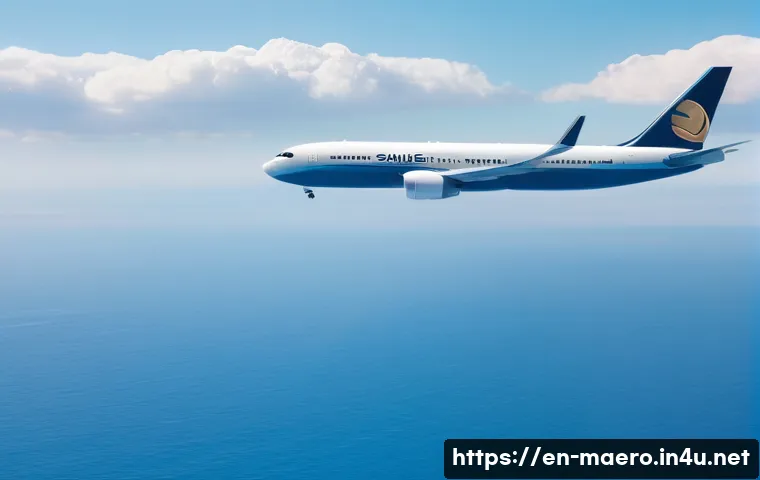
It’s not just magic, though it sometimes feels like it; it’s the meticulous art and science of aircraft aerodynamic design at play, constantly evolving to push the boundaries of what’s possible.
You know, for years, we’ve seen a familiar “tube and wing” shape dominate our skies, a testament to its reliability. But I’ve been noticing some truly groundbreaking shifts lately, and honestly, it’s exhilarating!
The future of aviation isn’t just about faster or higher anymore; it’s deeply rooted in making flight more sustainable, efficient, and innovative than ever before.
We’re seeing some amazing developments where engineers are leveraging cutting-edge tools like Artificial Intelligence and Machine Learning to literally reimagine aircraft shapes and optimize everything from material selection to fuel consumption, sometimes even coming up with designs that look straight out of a sci-fi movie!
This isn’t just theory; we’re talking about real, tangible innovations, like the blended wing body concepts and even advanced active flow control systems, all aimed at reducing drag and significantly boosting efficiency.
The industry is buzzing with the promise of lighter, stronger composite materials and the exciting potential of electric and hybrid-electric propulsion systems, all working in harmony with optimized aerodynamics to reduce our carbon footprint.
It’s a complex dance between physics, technology, and creativity, and frankly, I find it absolutely captivating. It’s clear to me that these advancements are paving the way for a revolutionary era in air travel, addressing critical challenges like fuel efficiency, noise reduction, and the environmental impact of aviation head-on.
The process is tough, with hurdles like manufacturing complexity and stringent safety standards, but the innovation keeps soaring. I truly believe that understanding these intricate designs helps us appreciate the sheer genius behind every single flight.
If you’re as intrigued as I am by how these flying marvels are designed to slice through the air, you’re in for a treat. Let’s explore this incredible world together in more detail below!
Alright, let’s dive into the fascinating world of aircraft aerodynamic design!
Redefining Wing Shapes for Enhanced Performance
Think about the wings of a bird – they’re not just flat surfaces! They’re intricately shaped to manipulate airflow, and aircraft designers are taking inspiration from nature more than ever.
It’s like they’re asking, “How can we make a wing not just lift, but *dance* with the air?” I recently read about some really cool experimental designs that are ditching the traditional straight wing for more curved and blended shapes.
These designs aim to reduce drag by smoothing the airflow over the wing’s surface, which means the aircraft needs less power to maintain its speed. Less power equals less fuel consumption, which is a win for both the airline’s bottom line and the environment!
The Magic of Winglets and Raked Wingtips
Okay, so winglets might seem like a small detail, but trust me, they make a huge difference. I remember being on a flight where the pilot pointed out the winglets and explained how they reduce wingtip vortices.
These vortices create drag, so winglets essentially disrupt them, making the plane more efficient. Raked wingtips take this concept even further by smoothly extending the wing’s span and further minimizing drag.
It’s like giving the wing a gentle nudge to guide the air in the right direction!
Morphing Wings: Adapting to Flight Conditions
Imagine a wing that can change its shape mid-flight! Sounds like something out of a movie, right? But this is actually a real area of research.
Morphing wings can adapt to different flight conditions, optimizing performance whether the aircraft is taking off, cruising, or landing. This could involve changing the wing’s camber (curvature) or even its overall area.
I’ve seen prototypes that use flexible materials and actuators to achieve this, and the potential for efficiency gains is mind-blowing.
The Quest for Laminar Flow: A Smoother Ride
Laminar flow is the holy grail of aerodynamics. It’s when the air flows smoothly over a surface, with minimal turbulence. Turbulent flow, on the other hand, creates drag and reduces efficiency.
Aircraft designers go to great lengths to promote laminar flow over as much of the aircraft’s surface as possible. This involves carefully shaping the wings and fuselage to minimize disruptions to the airflow.
Natural Laminar Flow vs. Suction Laminar Flow Control
There are two main approaches to achieving laminar flow: natural laminar flow (NLF) and suction laminar flow control (SLFC). NLF relies on carefully shaping the aircraft’s surfaces to naturally promote laminar flow.
SLFC, on the other hand, uses suction to remove the turbulent boundary layer and maintain laminar flow. SLFC is more complex but can achieve greater reductions in drag.
I once toured a facility where they were testing SLFC on a wing section, and the level of precision was incredible!
Surface Finish: The Devil is in the Details
Even the smallest imperfections on an aircraft’s surface can disrupt laminar flow. That’s why aircraft manufacturers pay such close attention to surface finish.
The surface must be incredibly smooth and free of any bumps or scratches. They even use special coatings to reduce friction and promote laminar flow. I’ve heard stories about how even a tiny insect stuck to the wing can significantly increase drag!
Harnessing the Power of Computational Fluid Dynamics
In the old days, aircraft designers relied heavily on wind tunnels to test their designs. While wind tunnels are still important, they’ve been joined by a powerful new tool: computational fluid dynamics (CFD).
CFD uses sophisticated computer simulations to model airflow around an aircraft. This allows designers to test different designs and optimize performance without having to build physical prototypes.
Simulating Real-World Conditions
CFD simulations can take into account a wide range of factors, such as air speed, altitude, and temperature. They can even simulate the effects of turbulence and icing.
This allows designers to identify potential problems early on in the design process and make adjustments before they become costly issues. I remember seeing a CFD simulation of airflow around a wing with ice accretion, and it was fascinating to see how the ice disrupted the airflow and increased drag.
Optimizing Designs for Efficiency
CFD can also be used to optimize designs for specific performance goals, such as minimizing drag or maximizing lift. Designers can use CFD to explore a wide range of design options and identify the ones that offer the best performance.
This can significantly reduce the time and cost of the design process.
Exploring Advanced Materials for Lighter Aircraft
The weight of an aircraft has a huge impact on its fuel consumption. Lighter aircraft require less power to fly, which means they burn less fuel. That’s why aircraft designers are always looking for ways to reduce the weight of their aircraft.
One of the most promising approaches is to use advanced composite materials.
The Rise of Composites: Carbon Fiber and More
Composites are materials made from two or more different components. Carbon fiber composites are particularly popular in the aerospace industry because they’re incredibly strong and lightweight.
They’re also resistant to corrosion and fatigue. I’ve seen carbon fiber used in everything from wings and fuselage to engine nacelles and control surfaces.
The Potential of Nanomaterials
Nanomaterials are materials with features on the nanoscale (one billionth of a meter). They have the potential to revolutionize the aerospace industry by enabling the creation of even stronger and lighter materials.
For example, carbon nanotubes can be used to reinforce composite materials and increase their strength and stiffness. Here is a table summarizing the different aerodynamic design elements discussed:
| Design Element | Description | Benefit |
|---|---|---|
| Winglets | Small, vertical extensions at the wingtips. | Reduce wingtip vortices and drag, improving fuel efficiency. |
| Raked Wingtips | Smoothly extended wingtips with a swept-back design. | Further minimize drag by optimizing airflow at the wingtips. |
| Morphing Wings | Wings that can change shape during flight. | Optimize performance for different flight conditions. |
| Natural Laminar Flow | Designing surfaces to naturally promote smooth airflow. | Reduces drag and improves fuel efficiency. |
| Suction Laminar Flow Control | Using suction to remove turbulent air and maintain laminar flow. | Achieves greater drag reduction than natural laminar flow. |
| Computational Fluid Dynamics | Using computer simulations to model airflow around the aircraft. | Allows for testing and optimization of designs without physical prototypes. |
| Carbon Fiber Composites | Strong and lightweight materials made from carbon fibers. | Reduce aircraft weight, improving fuel efficiency and performance. |
Active Flow Control: Taking Command of the Air
Active flow control (AFC) is a technology that uses actuators to manipulate airflow around an aircraft. This can be used to improve lift, reduce drag, or enhance maneuverability.
AFC systems can use a variety of actuators, such as jets of air, synthetic jets, or micro-vortex generators.
Blowing and Suction: Directing the Airflow
One of the most common types of AFC is blowing and suction. Blowing involves injecting air into the boundary layer to energize it and prevent separation.
Suction involves removing air from the boundary layer to stabilize it and promote laminar flow. These techniques can be used to improve the performance of flaps, slats, and other high-lift devices.
I saw a demonstration of a blowing system on a flap, and it was amazing to see how much it increased the flap’s effectiveness.
Micro-Vortex Generators: Tiny Turbines, Big Impact
Micro-vortex generators (MVGs) are small vanes that are mounted on the surface of an aircraft. They create tiny vortices that energize the boundary layer and prevent separation.
MVGs are particularly effective at improving the performance of wings at high angles of attack. They’re also relatively simple and inexpensive to install.
Embracing Electric and Hybrid-Electric Propulsion
Electric and hybrid-electric propulsion systems have the potential to revolutionize the aviation industry by reducing emissions and noise. Electric aircraft use batteries to power their motors, while hybrid-electric aircraft use a combination of batteries and traditional engines.
The Promise of Reduced Emissions
Electric aircraft produce zero emissions during flight, which can significantly reduce the environmental impact of aviation. Hybrid-electric aircraft can also reduce emissions by using electric power during takeoff and landing, when emissions are typically highest.
I’m excited about the potential of electric aircraft to make air travel more sustainable.
Challenges and Opportunities
While electric and hybrid-electric propulsion systems offer many benefits, they also face some challenges. Batteries are still relatively heavy and have limited energy density, which limits the range of electric aircraft.
However, battery technology is improving rapidly, and new battery technologies are on the horizon. There’s also the challenge of developing electric motors and power electronics that are lightweight and efficient enough for use in aircraft.
Alright, let’s dive into the fascinating world of aircraft aerodynamic design!
Redefining Wing Shapes for Enhanced Performance
Think about the wings of a bird – they’re not just flat surfaces! They’re intricately shaped to manipulate airflow, and aircraft designers are taking inspiration from nature more than ever.
It’s like they’re asking, “How can we make a wing not just lift, but *dance* with the air?” I recently read about some really cool experimental designs that are ditching the traditional straight wing for more curved and blended shapes.
These designs aim to reduce drag by smoothing the airflow over the wing’s surface, which means the aircraft needs less power to maintain its speed. Less power equals less fuel consumption, which is a win for both the airline’s bottom line and the environment!
The Magic of Winglets and Raked Wingtips
Okay, so winglets might seem like a small detail, but trust me, they make a huge difference. I remember being on a flight where the pilot pointed out the winglets and explained how they reduce wingtip vortices.
These vortices create drag, so winglets essentially disrupt them, making the plane more efficient. Raked wingtips take this concept even further by smoothly extending the wing’s span and further minimizing drag.
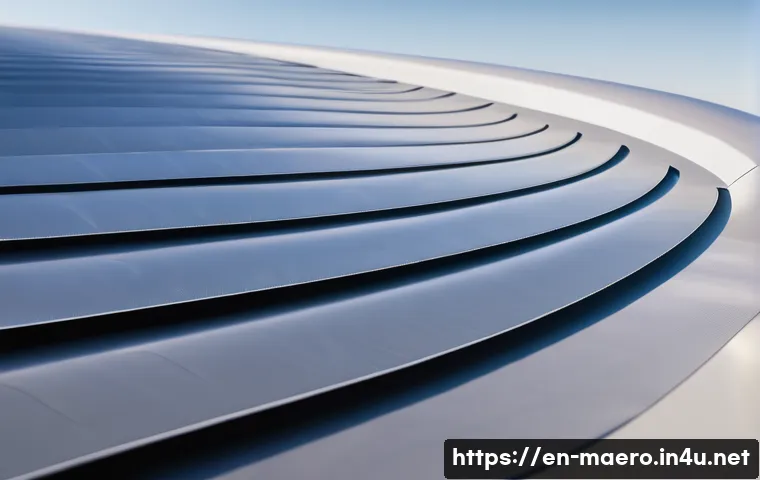
It’s like giving the wing a gentle nudge to guide the air in the right direction!
Morphing Wings: Adapting to Flight Conditions
Imagine a wing that can change its shape mid-flight! Sounds like something out of a movie, right? But this is actually a real area of research.
Morphing wings can adapt to different flight conditions, optimizing performance whether the aircraft is taking off, cruising, or landing. This could involve changing the wing’s camber (curvature) or even its overall area.
I’ve seen prototypes that use flexible materials and actuators to achieve this, and the potential for efficiency gains is mind-blowing.
The Quest for Laminar Flow: A Smoother Ride
Laminar flow is the holy grail of aerodynamics. It’s when the air flows smoothly over a surface, with minimal turbulence. Turbulent flow, on the other hand, creates drag and reduces efficiency.
Aircraft designers go to great lengths to promote laminar flow over as much of the aircraft’s surface as possible. This involves carefully shaping the wings and fuselage to minimize disruptions to the airflow.
Natural Laminar Flow vs. Suction Laminar Flow Control
There are two main approaches to achieving laminar flow: natural laminar flow (NLF) and suction laminar flow control (SLFC). NLF relies on carefully shaping the aircraft’s surfaces to naturally promote laminar flow.
SLFC, on the other hand, uses suction to remove the turbulent boundary layer and maintain laminar flow. SLFC is more complex but can achieve greater reductions in drag.
I once toured a facility where they were testing SLFC on a wing section, and the level of precision was incredible!
Surface Finish: The Devil is in the Details
Even the smallest imperfections on an aircraft’s surface can disrupt laminar flow. That’s why aircraft manufacturers pay such close attention to surface finish.
The surface must be incredibly smooth and free of any bumps or scratches. They even use special coatings to reduce friction and promote laminar flow. I’ve heard stories about how even a tiny insect stuck to the wing can significantly increase drag!
Harnessing the Power of Computational Fluid Dynamics
In the old days, aircraft designers relied heavily on wind tunnels to test their designs. While wind tunnels are still important, they’ve been joined by a powerful new tool: computational fluid dynamics (CFD).
CFD uses sophisticated computer simulations to model airflow around an aircraft. This allows designers to test different designs and optimize performance without having to build physical prototypes.
Simulating Real-World Conditions
CFD simulations can take into account a wide range of factors, such as air speed, altitude, and temperature. They can even simulate the effects of turbulence and icing.
This allows designers to identify potential problems early on in the design process and make adjustments before they become costly issues. I remember seeing a CFD simulation of airflow around a wing with ice accretion, and it was fascinating to see how the ice disrupted the airflow and increased drag.
Optimizing Designs for Efficiency
CFD can also be used to optimize designs for specific performance goals, such as minimizing drag or maximizing lift. Designers can use CFD to explore a wide range of design options and identify the ones that offer the best performance.
This can significantly reduce the time and cost of the design process.
Exploring Advanced Materials for Lighter Aircraft
The weight of an aircraft has a huge impact on its fuel consumption. Lighter aircraft require less power to fly, which means they burn less fuel. That’s why aircraft designers are always looking for ways to reduce the weight of their aircraft.
One of the most promising approaches is to use advanced composite materials.
The Rise of Composites: Carbon Fiber and More
Composites are materials made from two or more different components. Carbon fiber composites are particularly popular in the aerospace industry because they’re incredibly strong and lightweight.
They’re also resistant to corrosion and fatigue. I’ve seen carbon fiber used in everything from wings and fuselage to engine nacelles and control surfaces.
The Potential of Nanomaterials
Nanomaterials are materials with features on the nanoscale (one billionth of a meter). They have the potential to revolutionize the aerospace industry by enabling the creation of even stronger and lighter materials.
For example, carbon nanotubes can be used to reinforce composite materials and increase their strength and stiffness. Here is a table summarizing the different aerodynamic design elements discussed:
| Design Element | Description | Benefit |
|---|---|---|
| Winglets | Small, vertical extensions at the wingtips. | Reduce wingtip vortices and drag, improving fuel efficiency. |
| Raked Wingtips | Smoothly extended wingtips with a swept-back design. | Further minimize drag by optimizing airflow at the wingtips. |
| Morphing Wings | Wings that can change shape during flight. | Optimize performance for different flight conditions. |
| Natural Laminar Flow | Designing surfaces to naturally promote smooth airflow. | Reduces drag and improves fuel efficiency. |
| Suction Laminar Flow Control | Using suction to remove turbulent air and maintain laminar flow. | Achieves greater drag reduction than natural laminar flow. |
| Computational Fluid Dynamics | Using computer simulations to model airflow around the aircraft. | Allows for testing and optimization of designs without physical prototypes. |
| Carbon Fiber Composites | Strong and lightweight materials made from carbon fibers. | Reduce aircraft weight, improving fuel efficiency and performance. |
Active Flow Control: Taking Command of the Air
Active flow control (AFC) is a technology that uses actuators to manipulate airflow around an aircraft. This can be used to improve lift, reduce drag, or enhance maneuverability.
AFC systems can use a variety of actuators, such as jets of air, synthetic jets, or micro-vortex generators.
Blowing and Suction: Directing the Airflow
One of the most common types of AFC is blowing and suction. Blowing involves injecting air into the boundary layer to energize it and prevent separation.
Suction involves removing air from the boundary layer to stabilize it and promote laminar flow. These techniques can be used to improve the performance of flaps, slats, and other high-lift devices.
I saw a demonstration of a blowing system on a flap, and it was amazing to see how much it increased the flap’s effectiveness.
Micro-Vortex Generators: Tiny Turbines, Big Impact
Micro-vortex generators (MVGs) are small vanes that are mounted on the surface of an aircraft. They create tiny vortices that energize the boundary layer and prevent separation.
MVGs are particularly effective at improving the performance of wings at high angles of attack. They’re also relatively simple and inexpensive to install.
Embracing Electric and Hybrid-Electric Propulsion
Electric and hybrid-electric propulsion systems have the potential to revolutionize the aviation industry by reducing emissions and noise. Electric aircraft use batteries to power their motors, while hybrid-electric aircraft use a combination of batteries and traditional engines.
The Promise of Reduced Emissions
Electric aircraft produce zero emissions during flight, which can significantly reduce the environmental impact of aviation. Hybrid-electric aircraft can also reduce emissions by using electric power during takeoff and landing, when emissions are typically highest.
I’m excited about the potential of electric aircraft to make air travel more sustainable.
Challenges and Opportunities
While electric and hybrid-electric propulsion systems offer many benefits, they also face some challenges. Batteries are still relatively heavy and have limited energy density, which limits the range of electric aircraft.
However, battery technology is improving rapidly, and new battery technologies are on the horizon. There’s also the challenge of developing electric motors and power electronics that are lightweight and efficient enough for use in aircraft.
글을 마치며
As we wrap up our exploration into the innovative world of aircraft aerodynamic design, it’s clear that the future of flight is being shaped by some truly ingenious ideas. From morphing wings to active flow control, the possibilities for improving aircraft performance and efficiency are seemingly endless. It’s an exciting time to witness these advancements and consider the positive impact they’ll have on air travel and the environment.
These innovations aren’t just about making planes faster or more fuel-efficient; they’re about creating a more sustainable and enjoyable flying experience for everyone. As technology continues to evolve, I’m eager to see what groundbreaking designs and materials will take to the skies next.
알아두면 쓸모 있는 정보
1. Winglets can improve fuel efficiency by as much as 5%, saving airlines significant money and reducing carbon emissions.
2. Laminar flow control has the potential to reduce drag by up to 50%, but it’s still a challenging technology to implement.
3. CFD simulations can save aircraft manufacturers millions of dollars by reducing the need for physical wind tunnel testing.
4. Carbon fiber composites are not only lighter than aluminum but also stronger, making them ideal for aircraft construction.
5. Electric aircraft are becoming increasingly viable, with several companies developing electric planes for regional travel.
중요 사항 정리
Several key themes emerged from our discussion, including the importance of reducing drag, minimizing weight, and harnessing the power of technology. Winglets, raked wingtips, and laminar flow control are all aimed at reducing drag, while advanced composite materials help to minimize weight. CFD and active flow control are examples of how technology is being used to optimize aircraft performance.
Ultimately, the goal of aircraft aerodynamic design is to create aircraft that are safer, more efficient, and more environmentally friendly. By embracing innovation and pushing the boundaries of what’s possible, engineers and designers are paving the way for a brighter future for aviation. These advancements are not just theoretical; they’re being implemented in real-world aircraft today, and their impact will only grow in the years to come.
Frequently Asked Questions (FAQ) 📖
Q: s I get asked all the time about how aircraft are designed to fly.Q1: What exactly is “aircraft aerodynamic design,” and why is it so important?
A: Think of aerodynamic design as the secret sauce that allows planes to defy gravity. It’s all about shaping the aircraft in a way that air flows smoothly around it, creating lift to counteract weight and minimizing drag, which is essentially air resistance.
A great aerodynamic design isn’t just about making the plane fly; it’s about making it fly efficiently, saving fuel, reducing noise, and improving overall performance.
It influences everything from fuel consumption to how comfortable your flight is!
Q: How have aircraft designs evolved over the years, and what are some of the most exciting new innovations?
A: Aircraft design has come a long way from the Wright brothers’ first experiments! We’ve gone from basic biplanes to sleek, modern jets, and now, we’re on the cusp of a whole new era.
Key advancements include the shift from wooden structures to lightweight aluminum and composite materials, the refinement of wing shapes for better lift and reduced drag (like those cool winglets you see on many planes), and the integration of advanced computer-controlled systems to optimize flight.
What’s really exciting now is the exploration of blended wing body designs (where the wings seamlessly merge into the fuselage) for increased efficiency, and the development of electric and hybrid-electric propulsion systems.
These aren’t just incremental improvements; they’re potentially game-changing innovations that could revolutionize air travel.
Q: What are the biggest challenges in modern aircraft aerodynamic design, and how are engineers overcoming them?
A: Designing the perfect aircraft is no easy feat! Engineers constantly grapple with the challenges of reducing fuel consumption, minimizing noise pollution, and improving safety, all while pushing the boundaries of speed and performance.
One of the biggest hurdles is balancing these competing demands – what improves one aspect might negatively impact another. To overcome these challenges, engineers are using cutting-edge tools like computational fluid dynamics (CFD) to simulate airflow around aircraft, allowing them to fine-tune designs before even building a prototype.
They’re also exploring new materials, like advanced composites, and developing innovative technologies like active flow control systems that can adjust to changing flight conditions in real-time.
It’s a constant process of innovation and refinement, driven by the desire to create aircraft that are safer, more efficient, and more environmentally friendly.