Becoming a certified aircraft maintenance technician opens the door to a dynamic and essential career in aviation safety. With the aviation industry constantly evolving, the demand for skilled professionals who ensure aircraft reliability is higher than ever.

This certification not only validates your expertise but also enhances job security and growth opportunities. Whether you’re passionate about mechanics or aerospace technology, this qualification can propel your career to new heights.
Let’s dive into the details and explore what it takes to earn this vital credential!
Understanding the Core Responsibilities in Aircraft Maintenance
Daily Tasks and Technical Challenges
Working . On any given day, you might be performing routine inspections, troubleshooting complex mechanical or electrical issues, or replacing worn components to keep an aircraft flight-ready.
What I found fascinating after stepping into this role is how each day brings a unique challenge — no two maintenance checks are ever identical. From hydraulic systems to avionics, the scope of work demands a sharp eye for detail and a methodical approach to problem-solving.
This variety keeps the job stimulating and ensures you’re always learning something new.
Critical Safety Standards and Compliance
One of the biggest responsibilities that come with this career is adhering strictly to safety regulations. The Federal Aviation Administration (FAA) and other global bodies have stringent guidelines to ensure every aircraft is safe for flight.
This means every repair, inspection, and test must be documented meticulously and executed to exact standards. I’ve seen how this attention to detail can literally be a lifesaver.
When you’re responsible for verifying that an aircraft’s engine or control systems operate flawlessly, the margin for error shrinks to almost zero. This is why certification is so critical — it proves you have the knowledge and skills to uphold these life-saving standards.
Collaboration with Pilots and Engineers
Aircraft maintenance isn’t a solo endeavor. It involves close coordination with pilots, engineers, and other aviation professionals. From my experience, communication skills are just as important as technical know-how.
Before a flight, maintenance teams often consult with pilots to understand any issues noticed during operation. Similarly, engineers might provide insights into new aircraft technology or modifications that affect maintenance procedures.
Being part of this collaborative network makes the job dynamic and helps you build a deeper understanding of how aircraft systems integrate and operate.
Pathways to Certification and Training Options
Formal Education and Coursework
Most aspiring maintenance technicians start with a solid foundation through accredited aviation maintenance schools or community college programs. These programs usually cover aerodynamics, aircraft systems, electronics, and regulations over the course of two years.
Personally, attending a hands-on training program made a huge difference. It wasn’t just about textbook knowledge; getting to work on real aircraft parts and simulators built my confidence and skills far beyond what I could have gained from self-study alone.
Look for programs certified by the FAA or recognized by your country’s aviation authority to ensure your training meets industry standards.
Apprenticeships and On-the-Job Training
While formal education is important, nothing beats real-world experience. Many technicians gain certification through apprenticeships or by working under the supervision of licensed professionals.
I remember my first few months on the job, where I shadowed experienced mechanics and absorbed their troubleshooting techniques and safety habits. This mentorship is invaluable because it exposes you to the practical nuances of aircraft maintenance that classroom settings might miss.
Plus, it’s a great way to build industry connections that can help with future job opportunities.
Certification Exams and Licensing Process
After completing the required education and experience, candidates must pass written, oral, and practical exams to earn their certification. These tests evaluate your understanding of aviation regulations, mechanical systems, and your ability to perform maintenance tasks correctly.
When I took these exams, the written part was challenging because it covered a broad range of topics, but the hands-on test was where I really got to prove what I could do.
Passing these exams not only boosts your credibility but also unlocks higher-paying job roles and greater responsibility.
Essential Skills and Qualities for Success
Technical Proficiency and Problem Solving
Aircraft maintenance demands a strong grasp of mechanics, electronics, and computer systems. But beyond textbook knowledge, you need sharp problem-solving skills to diagnose issues quickly and accurately.
I’ve encountered situations where a seemingly minor anomaly in an engine’s performance led to uncovering a bigger underlying problem. Being able to think critically and methodically test different components is key to avoiding costly downtime or safety hazards.
Attention to Detail and Precision
In this field, even the smallest oversight can have serious consequences. That’s why a meticulous approach is non-negotiable. When inspecting landing gear or avionics systems, every bolt, wire, and sensor must be double-checked.
My experience has taught me that developing a checklist habit and sticking to it rigorously can prevent errors. It’s not just about following procedures but having the discipline to maintain high standards consistently under pressure.
Physical and Mental Stamina
Working on aircraft often involves long hours, awkward positions, and sometimes challenging environments like hangars or airport ramps. I’ve found that maintaining good physical fitness helps a lot, especially when climbing into tight engine compartments or lifting heavy parts.
On the mental side, staying focused despite fatigue is crucial because mistakes can have serious repercussions. Developing routines for rest and stress management can keep you sharp and effective during demanding shifts.
Career Growth and Industry Opportunities
Specializations and Advanced Roles
Once certified, technicians can choose to specialize in areas like avionics, engine maintenance, or airframe repairs. Specializing often comes with additional certifications and training but can significantly increase your earning potential and job stability.
I personally gravitated toward avionics because of my interest in electronics and software systems. This specialization allowed me to work with cutting-edge technology and gave me a competitive edge in the job market.
Employment Sectors and Work Environments
The aviation industry offers diverse workplaces, including commercial airlines, private jet services, government agencies, and aircraft manufacturing companies.
Each sector has its own pace and culture. For example, airline maintenance is fast-paced and often involves quick turnarounds, while working for manufacturers might focus more on research and development.
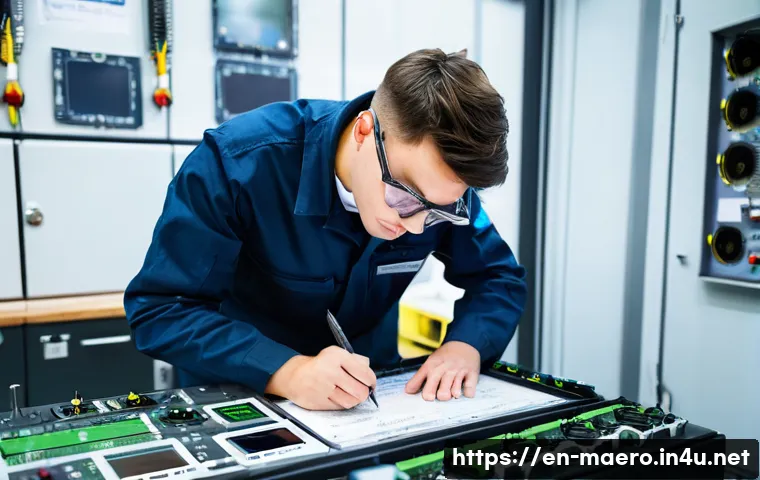
I’ve worked in both commercial and corporate aviation settings, and each offered unique experiences and challenges that helped me grow professionally.
Salary Expectations and Job Security
Certified aircraft maintenance technicians generally enjoy solid salaries that grow with experience and specialization. According to industry data, entry-level technicians can expect competitive wages, and those with advanced certifications or managerial roles earn significantly more.
The demand for qualified technicians remains high worldwide, which means job security is strong, even during economic downturns. From my perspective, investing time and effort into certification is a smart move that pays off in steady income and career resilience.
Tools, Technology, and Equipment in Modern Maintenance
Digital Diagnostics and Software Tools
Technology has transformed aircraft maintenance with digital diagnostic systems that allow technicians to quickly identify faults through onboard computer data.
I’ve been amazed at how software tools can pinpoint issues that would have taken hours to detect manually. These tools require technicians to be comfortable with computers and software interfaces, making ongoing tech education essential.
Using these diagnostics not only speeds up repairs but also improves accuracy, reducing the risk of human error.
Hand Tools and Specialized Equipment
Despite the rise of digital tech, traditional hand tools remain fundamental. From torque wrenches to inspection mirrors, these tools allow for precise mechanical adjustments and thorough inspections.
I’ve found that knowing your tools inside and out is just as important as understanding the aircraft itself. Specialized equipment like borescopes and ultrasonic testers also play a big role in non-destructive testing, allowing technicians to inspect parts without disassembly.
Safety Gear and Protective Measures
Working safely is paramount, so technicians use personal protective equipment (PPE) such as gloves, eye protection, and hearing protection. In my early days, I learned the hard way that skipping PPE can lead to injury or exposure to hazardous substances.
The aviation industry enforces strict safety protocols, including lockout/tagout procedures and hazardous materials handling. Being diligent about safety not only protects you but also ensures compliance with regulations and maintains a culture of care.
Certification Requirements and Maintenance Overview
| Requirement | Description | Typical Duration |
|---|---|---|
| Formal Education | Completion of an FAA-approved aviation maintenance technician school or equivalent program | 18-24 months |
| Practical Experience | Hands-on work under supervision to gain real-world skills | 18-24 months |
| Written Exam | Tests knowledge of regulations, systems, and procedures | Varies (1-2 days) |
| Oral and Practical Exams | Assesses ability to perform maintenance tasks and answer technical questions | Varies (1-2 days) |
| Certification Issuance | Official FAA or equivalent authority license allowing maintenance work | After successful exam completion |
Maintaining Certification and Continuing Education
Ongoing Training Requirements
Certification is not a one-and-done deal. To stay current, technicians must engage in continuing education and recurrent training. I’ve participated in workshops and online courses that introduce new aircraft models, updated regulations, and emerging technologies.
This ongoing learning ensures you remain competent and compliant with industry standards. It also opens doors to promotions and specialization as you demonstrate commitment to professional growth.
Renewal and Regulatory Compliance
Depending on the jurisdiction, certifications may require periodic renewal, which involves proving you have maintained your skills and knowledge. For me, this meant submitting records of work experience, training hours, and passing refresher tests.
Staying on top of these requirements prevents lapses that could jeopardize your ability to work legally and safely. It’s a good habit to keep a detailed logbook and stay informed about regulatory changes that affect your certification status.
Networking and Professional Development
Joining professional organizations and attending industry events has been invaluable in my career. These platforms offer access to the latest research, networking opportunities, and job leads.
Sharing experiences with peers also helps solve common challenges and fosters a sense of community. Whether through online forums or local chapters, being part of these groups keeps you connected and motivated in a demanding but rewarding field.
Wrapping Up
Aircraft maintenance is a demanding yet rewarding field that requires a blend of technical expertise, precision, and continuous learning. From daily hands-on tasks to strict safety compliance, every aspect plays a vital role in ensuring safe flights. Embracing collaboration and staying updated with evolving technology can greatly enhance your career. Ultimately, dedication and ongoing education are key to thriving in this dynamic industry.
Useful Tips to Remember
1. Always prioritize safety by following established protocols and wearing proper protective equipment to avoid accidents and ensure compliance.
2. Seek hands-on experience through apprenticeships or internships as real-world exposure sharpens your skills beyond classroom knowledge.
3. Stay current with certifications and recurrent training to maintain your qualifications and adapt to new aircraft technologies.
4. Develop strong communication skills to effectively collaborate with pilots, engineers, and other aviation professionals.
5. Keep a detailed logbook of your work, training, and certifications to simplify renewals and demonstrate professionalism.
Key Takeaways for Success
Aircraft maintenance professionals must combine technical skill with a meticulous attention to detail to ensure safety and efficiency. Certification and ongoing education are crucial for career advancement and legal compliance. Building strong relationships within the aviation community fosters knowledge sharing and growth. Maintaining physical and mental stamina helps manage the demanding work environment. Ultimately, embracing both tradition and technology prepares technicians to meet the evolving challenges of the aviation industry with confidence and expertise.
Frequently Asked Questions (FAQ) 📖
Q: What are the basic requirements to become a certified aircraft maintenance technician?
A: To become a certified aircraft maintenance technician, you typically need to have a combination of formal education and hands-on experience. Most candidates complete an FAA-approved aviation maintenance technician school or accumulate at least 18 months of practical work experience in either airframe or powerplant maintenance.
After meeting these prerequisites, you must pass the FAA written, oral, and practical exams. From my experience, having a solid background in mechanical skills and a passion for aviation really helps when preparing for these tests.
Q: How long does it usually take to get certified, and can I work while studying?
A: The timeline varies depending on your approach. If you attend a full-time aviation maintenance school, certification can take around 18 to 24 months. Alternatively, if you’re working in the field gaining experience, it might take longer, but you can earn income while learning on the job.
I’ve seen many people balance work and study by taking evening classes or using online resources, which keeps both their skills sharp and their finances steady.
The key is consistent effort and practical experience.
Q: What career opportunities open up after becoming a certified aircraft maintenance technician?
A: Once certified, a wide range of exciting opportunities become available. You can work for airlines, private aircraft owners, government agencies, or maintenance repair organizations.
Some technicians specialize in airframes, engines, or avionics, while others advance into supervisory roles or even aviation safety inspectors. Personally, I found that certification not only boosted my confidence but also significantly increased my earning potential and job stability.
The aviation industry values certified technicians highly, so career growth is definitely within reach.