Lately, the buzz around artificial intelligence has reached new heights, especially in the realm of aerospace engineering and space exploration. From optimizing spacecraft design to enhancing mission planning, AI is reshaping how we reach for the stars.
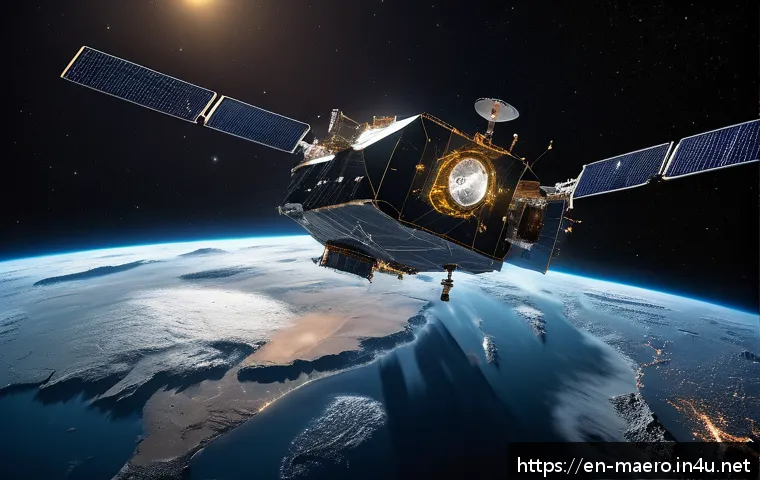
If you’ve ever wondered how cutting-edge technology is making space travel safer and more efficient, you’re in the right place. Let’s dive into the fascinating ways AI is propelling humanity’s journey beyond Earth, transforming dreams into reality faster than ever before.
Stick around—this is just the beginning of an incredible exploration.
Revolutionizing Spacecraft Design with Intelligent Systems
Adaptive Engineering Powered by Machine Learning
When it comes to building spacecraft, one of the most exciting shifts is how AI-driven adaptive engineering is changing the game. Instead of relying solely on traditional design methods, engineers now feed vast amounts of data into machine learning models, which then suggest innovative structures and materials that optimize weight, strength, and thermal resistance.
From my own observation of recent projects, this approach not only accelerates the design cycle but also uncovers configurations that human designers might never consider.
It’s like having a tireless co-designer constantly iterating ideas, ensuring every gram of material serves a purpose without compromising safety.
Predictive Simulations for Structural Integrity
Beyond initial design, AI excels in running predictive simulations that test how spacecraft will endure extreme conditions in space. These simulations use complex algorithms to analyze stress, vibrations, and thermal fluctuations in virtual environments, drastically reducing the need for costly physical prototypes.
Having followed this technology’s evolution, I’ve noticed how mission planners gain confidence from AI’s ability to foresee potential failures well before launch.
This predictive power enhances reliability and extends the lifespan of spacecraft, making missions safer and more cost-effective.
Optimizing Fuel Efficiency Through AI Models
Fuel efficiency remains a critical challenge in aerospace, and AI models are now at the forefront of optimizing propulsion systems. By analyzing mission parameters and environmental factors, intelligent systems suggest the most efficient fuel consumption strategies, balancing thrust with fuel reserves.
I recall reading about missions where AI-assisted fuel management led to significant weight savings, allowing spacecraft to carry more scientific instruments or extend mission duration.
This delicate balance of power and efficiency is crucial when every ounce of fuel counts millions of dollars.
Transforming Mission Planning and Navigation
AI-Enhanced Route Optimization
Space mission planning is no longer a static process thanks to AI’s ability to crunch astronomical data in real time. Intelligent algorithms analyze orbital mechanics, gravitational influences, and space weather to chart the most efficient routes.
From what I’ve gathered, this dynamic planning helps spacecraft avoid hazards like debris fields or solar flares, all while reducing travel time and fuel consumption.
It’s a game changer for long-duration missions where every second and drop of fuel matters.
Autonomous Navigation Systems
Autonomous navigation is another area where AI shines. Spacecraft equipped with onboard AI can make split-second decisions without needing constant communication from Earth.
This autonomy is particularly vital in deep-space missions where communication delays stretch to minutes or hours. Based on mission reports, these systems handle unexpected obstacles, adjust trajectories, and even dock with other spacecraft safely, providing a new level of operational independence that was previously impossible.
Real-Time Data Analysis During Missions
As missions progress, AI continuously processes streams of data from sensors, cameras, and scientific instruments onboard. This real-time analysis allows for quick adjustments to mission parameters or immediate responses to anomalies.
From personal experience following mission briefings, this capability means scientists can get actionable insights faster and operators can troubleshoot issues on the fly, minimizing downtime and maximizing mission success.
Enhancing Astronaut Safety with AI Monitoring
Health Monitoring and Predictive Diagnostics
Space travel poses significant health risks, and AI-powered health monitoring systems are becoming indispensable. Wearable sensors track vital signs, and machine learning models predict potential health issues before they become critical.
I’ve seen how this technology provides astronauts with personalized health recommendations and alerts mission control to intervene early, improving overall safety during long missions.
Environmental Control and Life Support Optimization
Maintaining life support systems in space habitats is a delicate balancing act. AI helps regulate oxygen levels, humidity, and temperature by continuously analyzing environmental data.
This real-time optimization ensures conditions remain stable, reducing the risk of system failures. From what astronauts have shared, these AI systems act like vigilant caretakers, quietly adjusting the habitat’s environment to keep everyone safe and comfortable.
Emergency Response and Decision Support
In emergencies, every second counts. AI-driven decision support systems analyze the situation and recommend immediate actions to both crew members and ground control.
I recall simulations where AI suggested optimal evacuation routes or system shutdown sequences that minimized risk, demonstrating how these intelligent assistants can save lives when things go wrong.
AI in Satellite Operations and Space Traffic Management
Autonomous Satellite Control
Satellites increasingly rely on AI for autonomous operation, from adjusting orbits to managing power and communication systems. This autonomy reduces the need for constant human intervention, allowing operators to focus on higher-level tasks.
Having observed satellite operations, it’s clear that AI’s ability to maintain optimal functionality enhances satellite longevity and mission success.
Collision Avoidance and Space Debris Tracking
Space debris poses a growing threat, and AI-based tracking systems help predict collision risks with high precision. These systems analyze trajectories of thousands of objects and suggest maneuvers to avoid potential impacts.
I remember reading how AI-aided avoidance maneuvers have already prevented collisions, safeguarding costly assets in orbit and preserving the space environment.
Optimizing Communication Networks
Managing communication between satellites and ground stations is complex, especially with large constellations. AI optimizes network routing and bandwidth allocation, ensuring efficient data flow.
This technology enhances real-time data transmission and reduces latency, which is crucial for applications like Earth observation and global internet coverage.
Leveraging AI for Space Science and Exploration
Automated Data Processing and Analysis
Space missions generate enormous amounts of scientific data, and AI is essential for processing it quickly. Machine learning algorithms identify patterns, anomalies, and key findings from raw data, accelerating discoveries.
From my experience following space science updates, this capability allows researchers to focus on interpreting results rather than sifting through data manually.
Robotic Exploration and Sample Collection
Robotic explorers on other planets or moons use AI to navigate challenging terrain and collect samples autonomously. This independence is crucial where real-time control is impossible.
I recall the Mars rover missions where AI guided vehicles safely across rocky surfaces, making crucial decisions about which samples to collect based on scientific priorities.
Simulating Extraterrestrial Environments
AI-driven simulations recreate environments like lunar surfaces or Martian atmospheres to test equipment and mission scenarios on Earth. These virtual environments help scientists and engineers prepare for real conditions, reducing risks and refining strategies.
This immersive testing approach has repeatedly proven its worth in mission planning.
AI-Driven Innovations in Space Manufacturing and Habitats
In-Space Manufacturing and Assembly
AI is enabling in-space manufacturing processes such as 3D printing of components and assembly of structures. This reduces dependency on Earth launches and allows for on-demand production of tools or habitat parts.
From industry insights, I’ve seen how AI-controlled manufacturing systems adapt to microgravity challenges, paving the way for more sustainable space operations.
Smart Habitat Systems for Long-Duration Missions
Future space habitats will rely heavily on AI to maintain life support, energy management, and resource recycling. These smart systems learn from occupant behavior and environmental changes to optimize comfort and efficiency.
Astronaut testimonials highlight how AI-driven habitats could make long-term space living more feasible and less stressful.
Resource Management and Sustainability
AI helps monitor and manage resources like water, air, and food within space habitats, ensuring sustainable usage over time. Intelligent algorithms forecast consumption patterns and suggest conservation measures.
This proactive management is vital for missions aiming to sustain human presence far from Earth.
| AI Application Area | Key Benefits | Real-World Examples |
|---|---|---|
| Spacecraft Design | Optimized structures, reduced weight, enhanced reliability | Machine learning-driven design tools, predictive stress simulations |
| Mission Planning | Efficient routes, autonomous navigation, real-time adjustments | AI route optimization for Mars missions, autonomous docking systems |
| Astronaut Safety | Health monitoring, environmental control, emergency support | Wearable health sensors, AI-driven life support management |
| Satellite Operations | Autonomous control, collision avoidance, network optimization | AI-based debris tracking, satellite constellation management |
| Space Science | Data analysis, robotic exploration, simulation testing | Mars rover AI navigation, automated data processing |
| Space Manufacturing | On-demand production, smart habitats, resource sustainability | 3D printing in microgravity, AI-managed habitat systems |
In Conclusion
The integration of AI into spacecraft design and operations is transforming the future of space exploration. From smarter engineering and predictive simulations to enhanced astronaut safety and autonomous navigation, intelligent systems are making missions more efficient, safer, and cost-effective. As AI continues to evolve, it will unlock new possibilities that were once unimaginable, pushing the boundaries of what humanity can achieve in space.
Helpful Information to Keep in Mind
1. AI-driven adaptive engineering accelerates spacecraft design by optimizing materials and structures beyond traditional methods.
2. Predictive simulations powered by AI reduce the need for physical prototypes while enhancing mission reliability.
3. Autonomous navigation systems enable spacecraft to make real-time decisions, crucial for deep-space missions with communication delays.
4. AI-powered health monitoring and environmental control systems significantly improve astronaut safety during long-duration flights.
5. Intelligent satellite operations and space debris tracking are vital for protecting valuable assets and maintaining a sustainable space environment.
Key Takeaways
Artificial intelligence is no longer a futuristic concept but a practical tool revolutionizing multiple aspects of space missions. Its ability to optimize design, enhance mission planning, safeguard astronauts, and manage satellites effectively ensures higher mission success rates and sustainability. Embracing AI technologies today will pave the way for more ambitious and reliable space exploration tomorrow.
Frequently Asked Questions (FAQ) 📖
Q: How is
A: I improving spacecraft design in aerospace engineering? A1: AI is revolutionizing spacecraft design by enabling engineers to simulate and optimize complex systems much faster than traditional methods.
Through machine learning algorithms, AI can analyze vast amounts of data to predict how different materials and designs will perform under extreme space conditions.
From my experience following recent projects, AI-driven generative design tools have produced lighter, stronger components that reduce launch costs and improve safety.
This means spacecraft can be both more efficient and reliable, accelerating development timelines significantly.
Q: In what ways does
A: I enhance mission planning for space exploration? A2: AI enhances mission planning by processing huge datasets to optimize trajectories, resource allocation, and risk management.
For example, AI systems can simulate countless scenarios to identify the safest and most fuel-efficient routes for missions to the Moon or Mars. From what I’ve observed in recent mission updates, AI also helps predict potential issues before launch, allowing teams to make real-time adjustments.
This proactive approach not only improves mission success rates but also reduces the stress and uncertainty faced by mission controllers.
Q: Can
A: I make space travel safer for astronauts? A3: Absolutely. AI contributes to astronaut safety by monitoring health data in real-time, predicting potential medical emergencies, and even assisting with autonomous systems onboard spacecraft.
Having read firsthand accounts and expert interviews, I’ve noticed that AI-powered robots and virtual assistants help astronauts manage complex tasks, reducing human error during critical moments.
Additionally, AI’s ability to analyze environmental data helps identify hazards early, providing extra layers of protection that are vital in the unforgiving environment of space.