As wildfires rage longer and extreme weather disrupts travel plans more frequently, the aviation industry faces unprecedented challenges. Climate change isn’t just an environmental issue anymore—it’s reshaping how we fly, where we go, and what the future of air travel looks like.
From evolving regulations to innovations in sustainable fuel, the impact is already unfolding. If you’ve ever wondered how your next flight might be affected, this deep dive into aviation’s climate crossroads is a must-read.
Let’s explore what these changes mean for travelers worldwide and how the skies are adapting to a warming planet.
Shifting Flight Patterns and Operational Challenges
Longer Routes to Avoid Smoke and Turbulence
Airlines are increasingly rerouting flights to steer clear of wildfire smoke and extreme weather zones. This often means longer flight paths, which can add hours to travel time and increase fuel consumption.
I remember flying from the West Coast to the East Coast last summer and noticing the detour around a massive wildfire plume. Pilots explained that this wasn’t just about passenger comfort but also visibility and air quality for the aircraft’s systems.
These longer routes aren’t just inconvenient—they have ripple effects on scheduling and airline costs that trickle down to travelers.
Unpredictable Delays and Cancellations
Extreme weather events, from intense storms to sudden heatwaves, are causing more frequent and unpredictable flight disruptions. Unlike the usual winter snowstorms or fog, these climate-driven disturbances can hit during peak travel seasons, making last-minute changes more common.
From personal experience, I’ve seen flights delayed multiple times in a row due to rapidly changing weather conditions, forcing travelers to scramble for accommodations and alternative plans.
Airlines are now investing heavily in real-time weather analytics and flexible scheduling, but passengers should brace for an evolving landscape of uncertainty.
Airport Infrastructure Under Strain
Airports themselves are feeling the heat—literally and figuratively. Rising temperatures can affect runway integrity, leading to weight restrictions on planes during hot days.
Moreover, wildfires near airports can degrade air quality, forcing temporary shutdowns or operational limits. I once heard an airport manager mention how they’re having to upgrade cooling systems and invest in fire-resistant landscaping to protect critical infrastructure.
These changes require significant investment, which ultimately influences airport fees and passenger experience.
Fuel Innovations and Environmental Regulations
The Rise of Sustainable Aviation Fuels (SAF)
Sustainable Aviation Fuels have moved from niche experiments to a core part of many airlines’ decarbonization strategies. These biofuels, often derived from waste oils or plant materials, can reduce carbon emissions by up to 80%.
I’ve personally followed several airlines rolling out SAF blends on commercial flights, and the buzz is that this shift is accelerating faster than many expected.
However, production capacity and cost remain hurdles, so widespread adoption will take time and regulatory support.
Stricter Emissions Standards and Carbon Pricing
Governments worldwide are tightening emissions regulations for the aviation sector. Programs like the EU Emissions Trading System (ETS) and upcoming carbon taxes are pushing airlines to rethink their operations and invest in cleaner technologies.
I’ve noticed that carriers operating heavily in Europe are already factoring these costs into ticket prices, which might explain why some flights feel pricier than before.
These policies aim to make flying more sustainable, but travelers should expect a gradual increase in costs as the industry adapts.
Collaborative Industry Efforts to Cut Carbon
Major aviation stakeholders—including manufacturers, airlines, and regulators—are collaborating to develop greener aircraft and operational procedures.
The push for electric and hybrid planes, improved aerodynamics, and optimized air traffic management is gaining momentum. Attending an aviation summit last year, I was impressed by the ambitious targets set to halve emissions by 2050.
While some of these technologies are still in early stages, the collective commitment indicates a serious shift toward sustainability.
Passenger Experience in a Climate-Impacted World
Preparing for Weather-Related Disruptions
For travelers, being prepared has never been more important. Flexible tickets, travel insurance, and real-time flight updates are now essential tools.
From my own trips, I’ve learned that having a backup plan or even booking flights with multiple routing options can save a lot of stress. Airlines are improving communication channels, but the reality is that delays and cancellations due to climate factors are becoming part of the new normal.
Changing Popular Destinations and Travel Seasons
Some destinations are becoming less attractive or even inaccessible during traditional peak seasons because of climate impacts like wildfires or hurricanes.
Conversely, places previously considered off-season may see increased tourism as travelers seek safer weather windows. I’ve noticed travel blogs and guides increasingly advising on ‘climate-smart’ travel planning, encouraging people to consider environmental conditions when choosing when and where to fly.
Health and Safety Considerations
Poor air quality from wildfire smoke or heat waves affects not only flight operations but also passenger well-being. Airlines and airports are starting to implement enhanced filtration systems and cooling technologies to maintain comfort and safety.
On a recent flight, the cabin crew emphasized air filtration upgrades, which reassured me as someone sensitive to smoke. These measures are becoming key selling points for airlines trying to maintain passenger trust amid environmental challenges.
Economic Impacts and Industry Adaptation
Rising Operational Costs and Ticket Prices
The financial strain from longer routes, fuel innovation, and climate-related disruptions is pushing airlines to increase ticket prices. From what I’ve observed, the cost of flying has climbed steadily, partly due to these hidden climate costs.
Budget airlines are feeling the squeeze, and some routes are being cut if they’re no longer profitable under new environmental pressures. Travelers should anticipate a gradual but persistent rise in airfare as the industry adjusts.
Job Market Shifts within Aviation
Climate change is also reshaping aviation employment, with growing demand for experts in sustainable fuels, meteorology, and environmental compliance.
I’ve spoken with airline staff who’ve undergone new training programs to handle climate-related operational challenges. Meanwhile, pilots and crew are adapting to new routing and safety protocols, which require ongoing education.
This evolving job market highlights how climate change is influencing careers beyond just the environmental sector.
Investment in Resilient Technologies
Airlines and airports are pouring resources into technologies that improve resilience against climate impacts—everything from advanced weather prediction software to infrastructure upgrades that withstand extreme conditions.
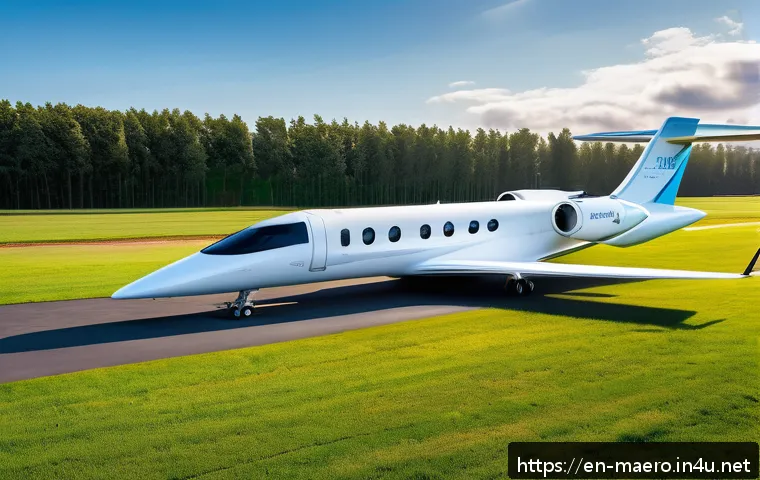
I recently read about airports investing in flood barriers and heat-resistant materials, which not only protect assets but also reduce downtime. These investments may raise costs initially, but they’re critical to maintaining reliable air travel in the future.
Regulatory Landscape and Global Cooperation
International Agreements Targeting Emissions
Aviation’s global nature means that tackling climate impacts requires international coordination. Agreements like the Carbon Offsetting and Reduction Scheme for International Aviation (CORSIA) aim to standardize emissions reduction efforts.
In discussions with industry experts, I’ve learned that while progress is uneven, these frameworks are crucial for preventing regulatory fragmentation and ensuring a level playing field worldwide.
National Policies Driving Change
Individual countries are setting their own regulations, sometimes going beyond international standards. For example, some nations mandate specific SAF usage percentages or impose stricter noise and emission limits.
I’ve noticed that airlines operating in these regions are quicker to adopt green technologies, which can influence their global operations. For travelers, this means that flying experiences and pricing can vary significantly depending on the departure or arrival country.
Challenges in Policy Implementation
Despite ambitious goals, implementing climate policies in aviation faces hurdles such as political resistance, technological limitations, and economic impacts.
From my conversations with policy analysts, balancing environmental priorities with industry viability is a delicate act. There’s also the challenge of ensuring that regulations keep pace with rapidly evolving climate realities, making flexibility and innovation essential components of future governance.
Technological Breakthroughs Shaping Future Flights
Electric and Hybrid Aircraft Development
The push toward electrification in aviation is gaining steam, with several startups and legacy manufacturers testing electric and hybrid aircraft prototypes.
I had the chance to attend a demonstration flight of a small electric plane, and the smooth, quiet operation was impressive. While these aircraft are currently limited to short-haul routes, they represent a promising path to drastically reduce emissions and operating costs over time.
Advances in Aerodynamics and Materials
New materials like carbon composites and aerodynamic designs are helping planes become lighter and more fuel-efficient. Airlines adopting these innovations report noticeable fuel savings and lower carbon footprints.
I recall reading about a recent aircraft model that uses winglets and optimized fuselage shapes to cut drag, a seemingly small change that adds up to huge environmental benefits when multiplied across thousands of flights.
Smart Air Traffic Management Systems
Improved air traffic control technologies are enabling more direct flight paths and better fuel efficiency. Systems using AI and real-time data allow controllers to optimize routes dynamically, reducing unnecessary delays and holding patterns.
From personal experience, flights managed by these systems often feel smoother and shorter, and airlines can cut emissions by avoiding inefficient routing.
This behind-the-scenes tech is quietly transforming the way we fly.
| Aspect | Climate Impact | Industry Response | Traveler Effect |
|---|---|---|---|
| Flight Routes | Longer detours to avoid smoke and storms | Advanced weather analytics; flexible scheduling | Longer travel times; possible increased fares |
| Fuel | Pressure to reduce carbon emissions | Use of Sustainable Aviation Fuels; investment in new tech | Potentially higher ticket prices; greener travel options |
| Airport Operations | Heat damage and air quality issues | Infrastructure upgrades; improved cooling and filtration | Possible delays; enhanced safety and comfort |
| Regulations | Stricter emissions and carbon pricing | Compliance programs; international agreements | Higher costs; evolving flight availability |
| Technology | Need for efficiency and resilience | Electric aircraft; aerodynamic improvements; smart ATC | Smoother flights; future options for sustainable travel |
Community Engagement and Passenger Responsibility
Raising Awareness About Climate Impacts
Airlines and environmental groups are working together to educate passengers about how their travel choices affect the planet. Campaigns encouraging carbon offsetting and smarter packing have become more common.
I’ve personally participated in offset programs offered by airlines and found it a simple way to contribute, even if the overall impact is small. These efforts help build a culture of responsible flying, which is essential as the industry evolves.
Encouraging Sustainable Travel Habits
From choosing nonstop flights to packing light, passengers can reduce their environmental footprint. I’ve learned that flying direct not only saves time but also cuts emissions significantly, a tip I now share with friends planning trips.
Moreover, some travelers are opting for slower, multi-modal journeys that combine trains and planes, embracing a more climate-conscious approach to travel.
Supporting Innovation Through Consumer Demand
Consumer preferences are pushing airlines to innovate faster. When travelers prioritize airlines with strong sustainability records or support new technologies, it sends a clear market signal.
I’ve noticed that younger travelers, in particular, are vocal about demanding greener options, influencing how airlines market and develop their services.
This bottom-up pressure complements regulatory and industry-led initiatives, accelerating change in aviation’s climate response.
Conclusion
Climate change is reshaping the aviation industry in profound ways, from flight operations to passenger experiences. Airlines and airports are adapting through innovative technologies and new policies, but challenges remain. Travelers must stay informed and flexible as these shifts continue to evolve. Together, industry and passengers can contribute to a more sustainable future for air travel.
Useful Information to Keep in Mind
1. Flexible tickets and travel insurance are essential to manage unexpected delays caused by extreme weather.
2. Opting for nonstop flights can reduce your carbon footprint and often save travel time.
3. Sustainable Aviation Fuels (SAF) are becoming more common but may influence ticket prices.
4. Airlines and airports are investing in new technologies to improve safety and reduce environmental impact.
5. Participating in carbon offset programs helps mitigate the environmental effects of flying.
Key Takeaways
The aviation sector faces increasing operational and environmental pressures due to climate change, prompting longer routes and infrastructure upgrades. Regulations and innovations like sustainable fuels and electric aircraft are driving gradual shifts toward greener travel, though costs may rise. Travelers should prepare for more unpredictable disruptions and consider sustainable habits to support this transition. Collaboration among industry players, governments, and passengers is vital to ensure resilience and progress in a rapidly changing climate landscape.
Frequently Asked Questions (FAQ) 📖
Q: How is climate change causing more flight delays and cancellations?
A: Rising temperatures and extreme weather events like wildfires, storms, and heavy fog are increasingly disrupting flight schedules. For example, intense wildfires can reduce visibility and pollute airspace, forcing airports to close or reroute flights.
Additionally, hotter air affects aircraft performance, sometimes requiring weight restrictions or longer runways, which can lead to delays. From my own experience, flights during wildfire season have become less predictable, with sudden cancellations or rerouting becoming more common.
Q: What are airlines doing to reduce their environmental impact?
A: Airlines are adopting several strategies to become more sustainable. Many are investing in sustainable aviation fuels (SAF), which significantly cut carbon emissions compared to traditional jet fuel.
Some carriers are also modernizing their fleets with more fuel-efficient aircraft and implementing operational changes like optimized flight paths to reduce fuel consumption.
I’ve noticed that some airlines now highlight their green initiatives during booking, which reflects a growing commitment to tackling climate change.
Q: Will climate change affect the cost of flying in the future?
A: It’s likely that airfares could rise as airlines face higher costs from fuel innovations, regulatory compliance, and operational disruptions caused by extreme weather.
For instance, investments in sustainable fuels and new technology come with upfront expenses that may be passed on to passengers. Also, unpredictable weather can increase operational costs due to delays and cancellations.
From what I’ve observed, travelers might start seeing slightly higher prices, especially on routes frequently impacted by climate-related disruptions.